Strengthening Health Professions Education Through Global Partnership
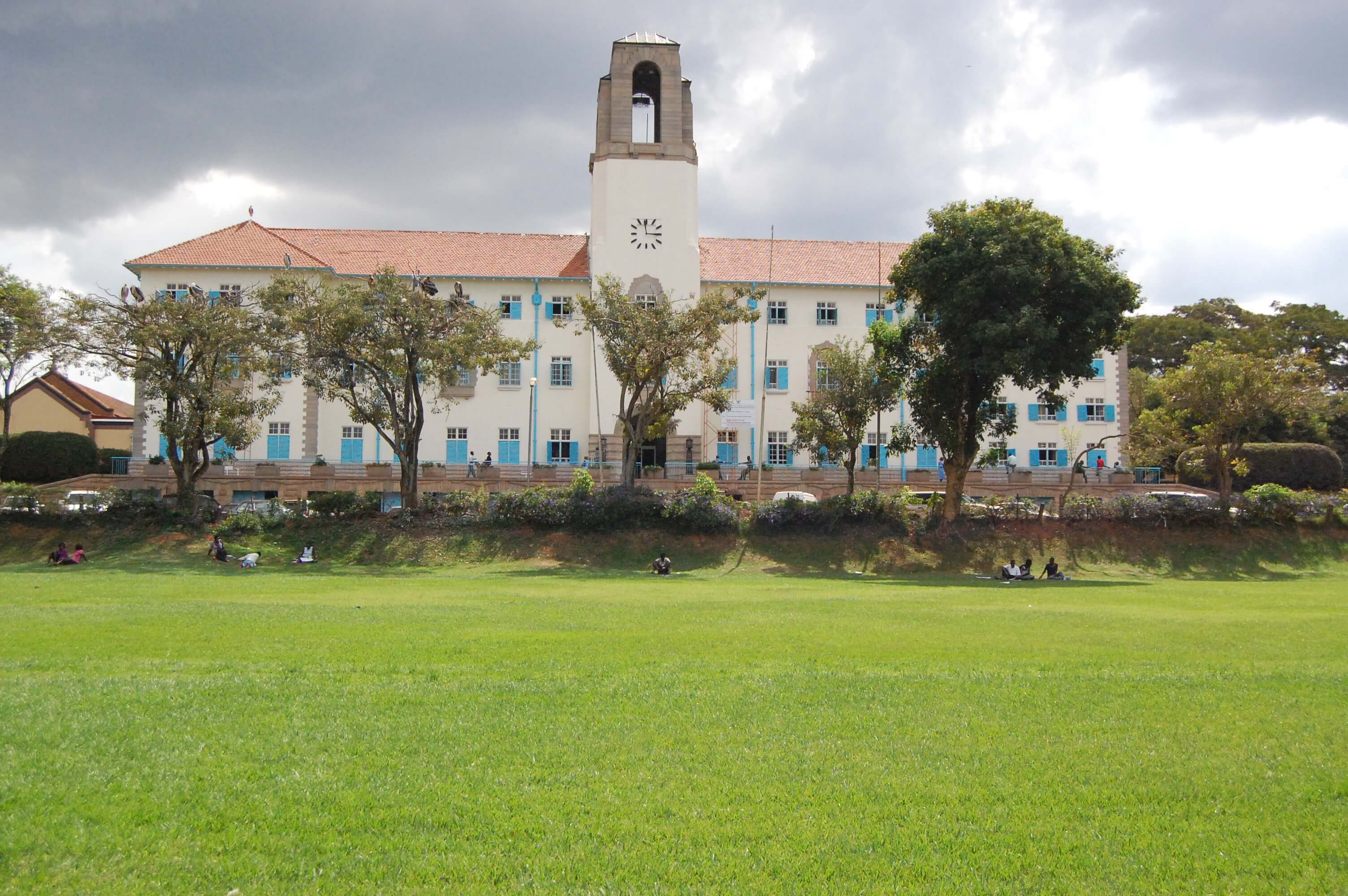
The Health Professions Education and Experimental Epidemiology (HePEd) Programme is a NORPART-funded collaboration (2022-2026) between Makerere University, Uganda, and the University of Bergen (UiB), Norway. The programme seeks to strengthen health professions education, educational research, and experimental epidemiology through institutional capacity building, academic exchange, and collaborative research.
By bringing together expertise from both institutions, HePEd is contributing to the development of a highly skilled health workforce equipped with the knowledge and competencies needed to address contemporary healthcare challenges in Uganda and beyond.
Our Purpose
Health professions education in many low-resource settings faces challenges including limited formal teacher training, increasing student enrolment, and varying institutional capacity. HePEd addresses these challenges by promoting innovative, evidence-based, and student-centred teaching approaches while strengthening capacity in experimental epidemiology and clinical trials research.
The programme is guided by four key objectives:
- Strengthen long-term educational and research partnerships between Makerere University and the University of Bergen.
- Promote best practices in health professions education among academic staff and health professions educators.
- Increase two-way mobility and collaborative learning opportunities for students, faculty, and researchers.
- Establish and institutionalise training in experimental epidemiology and randomized controlled trial methodology at Makerere University through a sustainable training-of-trainers model.
Key Programme Activities
HePEd implements a wide range of academic and capacity-building initiatives, including:
- Faculty development and educational leadership training.
- Benchmarking and knowledge-exchange visits between Uganda and Norway.
- Joint PhD supervision and doctoral training.
- Postdoctoral mentorship and research capacity strengthening.
- Student and staff exchange programmes.
- Joint summer schools and short courses.
- Research internships and collaborative projects.
- Scientific dissemination, stakeholder engagement, and policy dialogue.
- Partnerships with regulatory and professional bodies to support educational reform and innovation.
Expected Outcomes
The programme aims to establish a sustainable Health Professions Education Community of Practice at Makerere University that will serve as a hub for educational innovation, research, and faculty development.
Key achievements targeted through the partnership include:
- Support for four jointly supervised PhD candidates.
- Development of four international doctoral supervision teams.
- Training of health professions educators through education research programmes and workshops.
- Expansion of staff and student mobility opportunities between Uganda and Norway.
- Delivery of joint summer schools and specialised training courses.
- Increased adoption of evidence-based teaching, learning, and assessment practices across participating institutions.
- Growth in collaborative North-South, South-South, and triangular research partnerships.
Long-Term Impact
The HePEd Programme is designed to create lasting institutional and societal impact by:
- Enhancing the quality of health professions education.
- Strengthening educational research and scholarship.
- Improving the preparation of future healthcare professionals.
- Building capacity in experimental epidemiology and clinical trials research.
- Supporting evidence-informed healthcare and policy development.
- Contributing to the achievement of the United Nations Sustainable Development Goals (SDGs), particularly SDG 3 (Good Health and Well-Being), SDG 4 (Quality Education), and SDG 17 (Partnerships for the Goals).
Governance and Inclusion
The programme is jointly managed by the University of Bergen and Makerere University. While UiB provides overall programme leadership and financial oversight, Makerere University coordinates implementation activities in Uganda and hosts visiting students and faculty.
HePEd is committed to equity, diversity, and inclusion. The programme promotes gender-balanced participation and reserves a minimum proportion of mobility and training opportunities for female applicants, while fostering inclusive mentorship and professional development opportunities for all participants.
Building Sustainable Partnerships for the Future
Beyond the project period, HePEd seeks to strengthen institutional structures, expand collaborative research networks, support doctoral training, and sustain educational innovation through continued engagement between Makerere University, the University of Bergen, regulatory bodies, and other regional and international partners.
Together, the partners are building a stronger foundation for excellence in health professions education, research, and healthcare delivery in Uganda, Norway, and the broader global health community.
Improving Health Professional Education and capacity in Experimental epidemiology – Bergen-Makerere (HePEd)
Project Number: NORPART-2021/10358
Expertise in teaching and learning within universities is central to the adoption of the most effective student-centered approaches for higher education. The goal of this project is to enhance the quality of health professional education in Norway and Uganda through academic cooperation and mutual graduate-level student mobility and – as a case – focus on strengthening teaching in experimental epidemiology (how to run randomised clinical trials) in Uganda.
To achieve this goal, the project team will:
- strengthen health professional educational partnerships,
- increase the use of health professional best education practices in peripheral institutions in Uganda,
- increase the internationalization of health professional programs at both partner universities and train trainers in experimental epidemiology.
This will be achieved through:
- Benchmarking visits
- internationalization of master’s health professional programs through student mobility
- supporting the development of a health professions community of best practice
- joint supervision of PhD candidates
- workshops, and
- influence policy through dissemination meetings.
Core project team
- Professor Kenan Dikilitaş - UiB contact person and lead of the Bergen technical team, Specialises in Pedagogy in the Department of Education at the University of Bergen. Has published extensively on teacher development, focusing on identity development and action research engagement
- Arild Raaheim - Project coordinator and principal investigator at UiB; professor of higher education and founder/leader of the TeLEd research group.
- Professor Sarah Kiguli - Makerere contact person and lead of the Ugandan technical team; professor of paediatrics and principal investigator of the HEPI grant.
- Dr Ronald Semyalo - Lecturer and coordinator of the UiB–Makerere collaboration office; supports networking with Norwegian-supported projects in Uganda.
- Dr Ian Munabi - Medical doctor and anatomy lecturer; teaches on Makerere’s MSc in Health Professions Education and contributes to education-research training.
- Dr Alyosius Mubuuke Gonzaga - Medical imaging specialist and medical-education expert; lecturer in radiology with leadership roles in medical-education research.
- Dr Victoria Nankabirwa -Lecturer in epidemiology at Makerere School of Public Health and UiB postdoctoral fellow; leads randomized controlled trials and supports epidemiology teaching.
- Thorkild Tylleskär -Professor of global health at UiB’s Centre for International Health; UiB’s overall coordinator for the Makerere–UiB collaboration.
- Halvor Sommerfelt - Professor of epidemiology and global health at UiB and Director of CISMAC; contributes extensive clinical-trial and global-health research expertise.