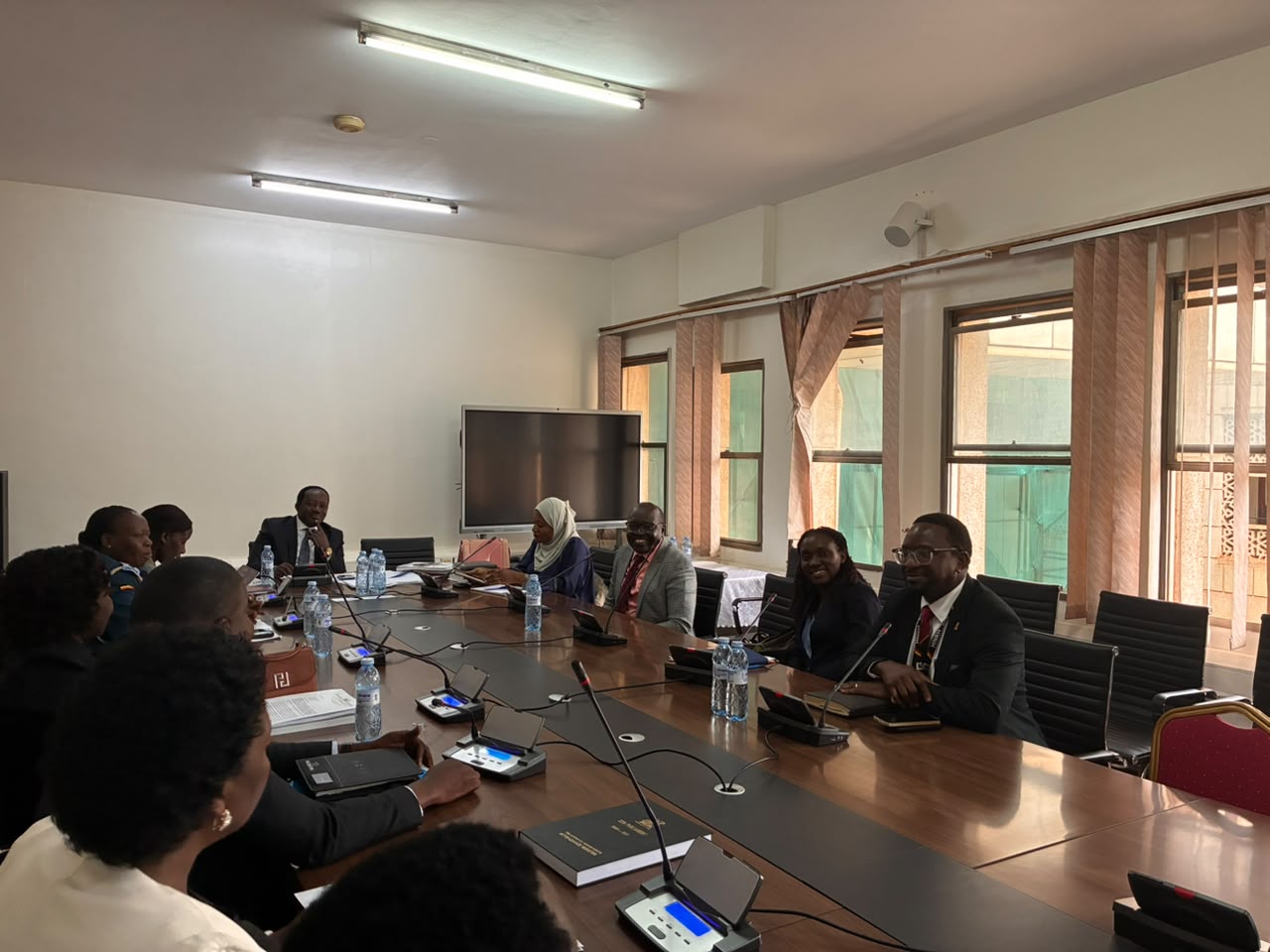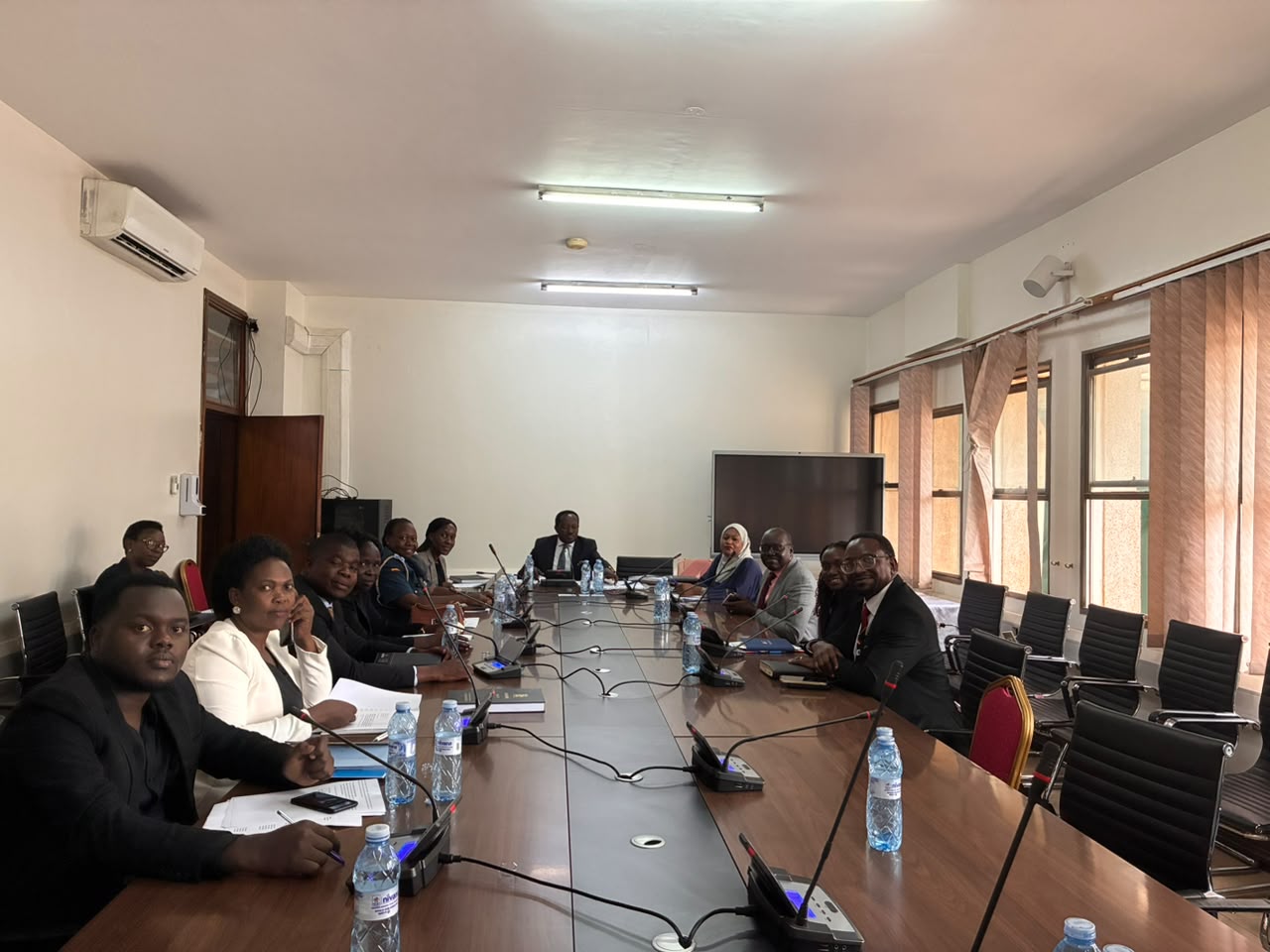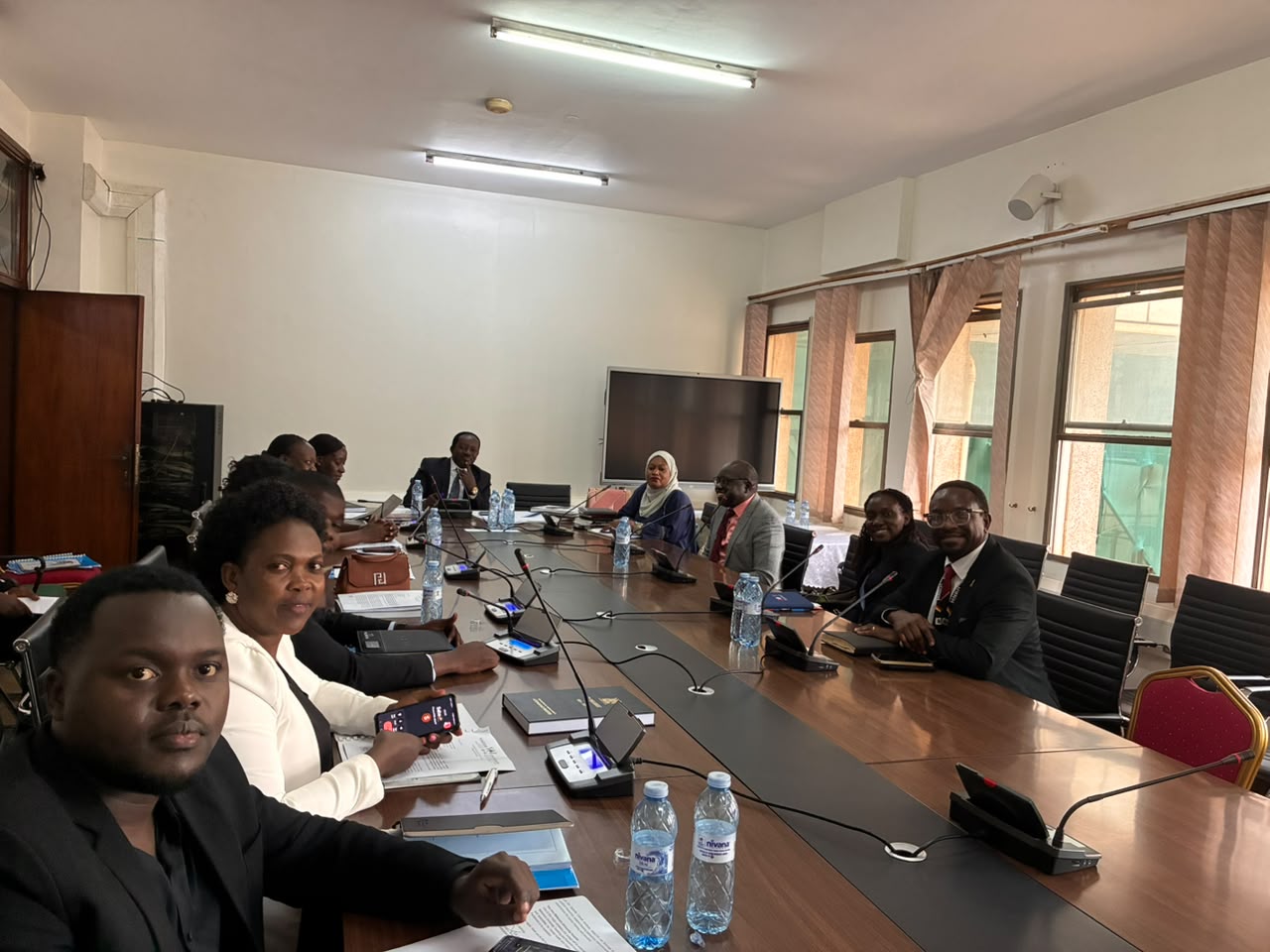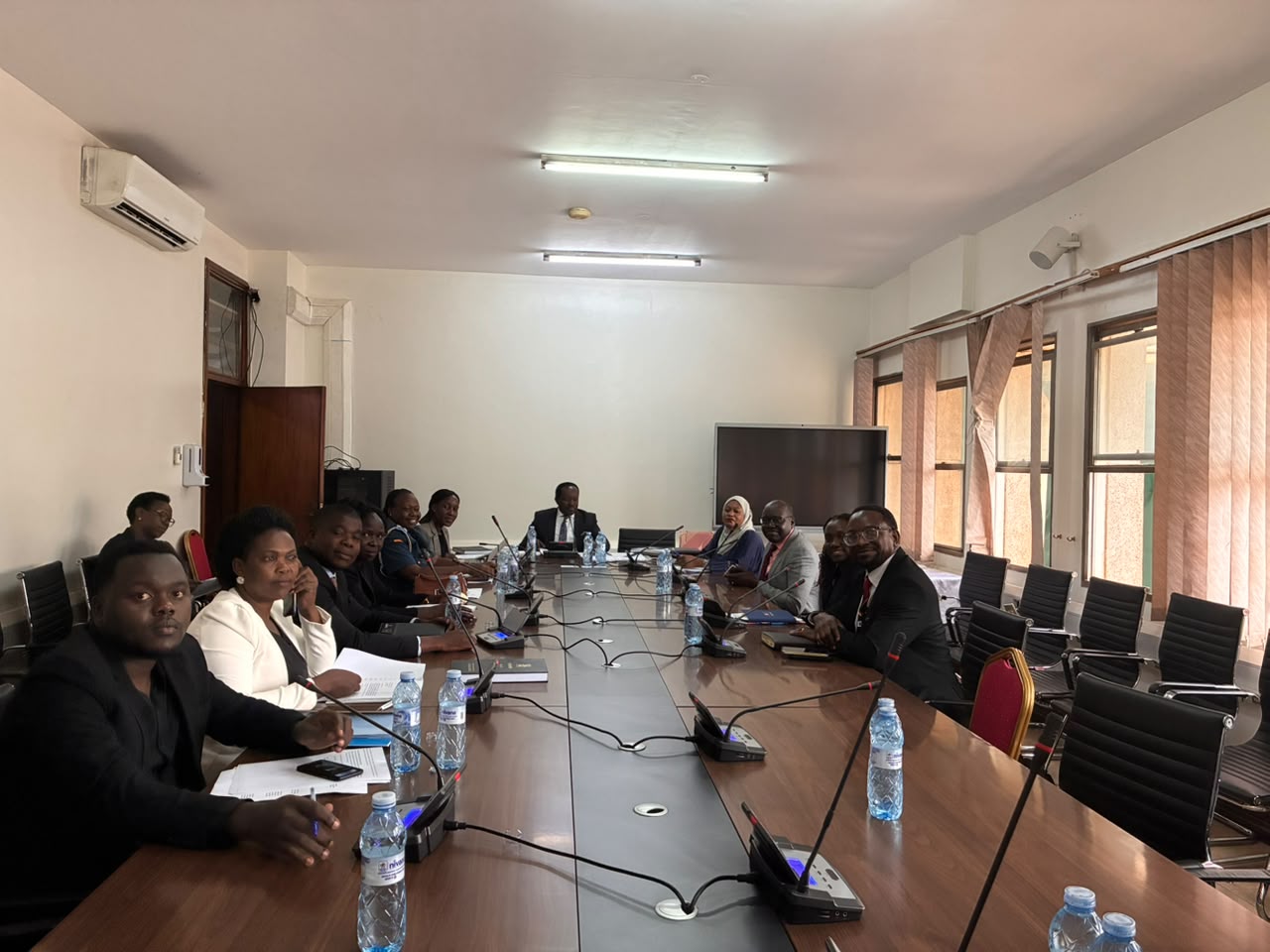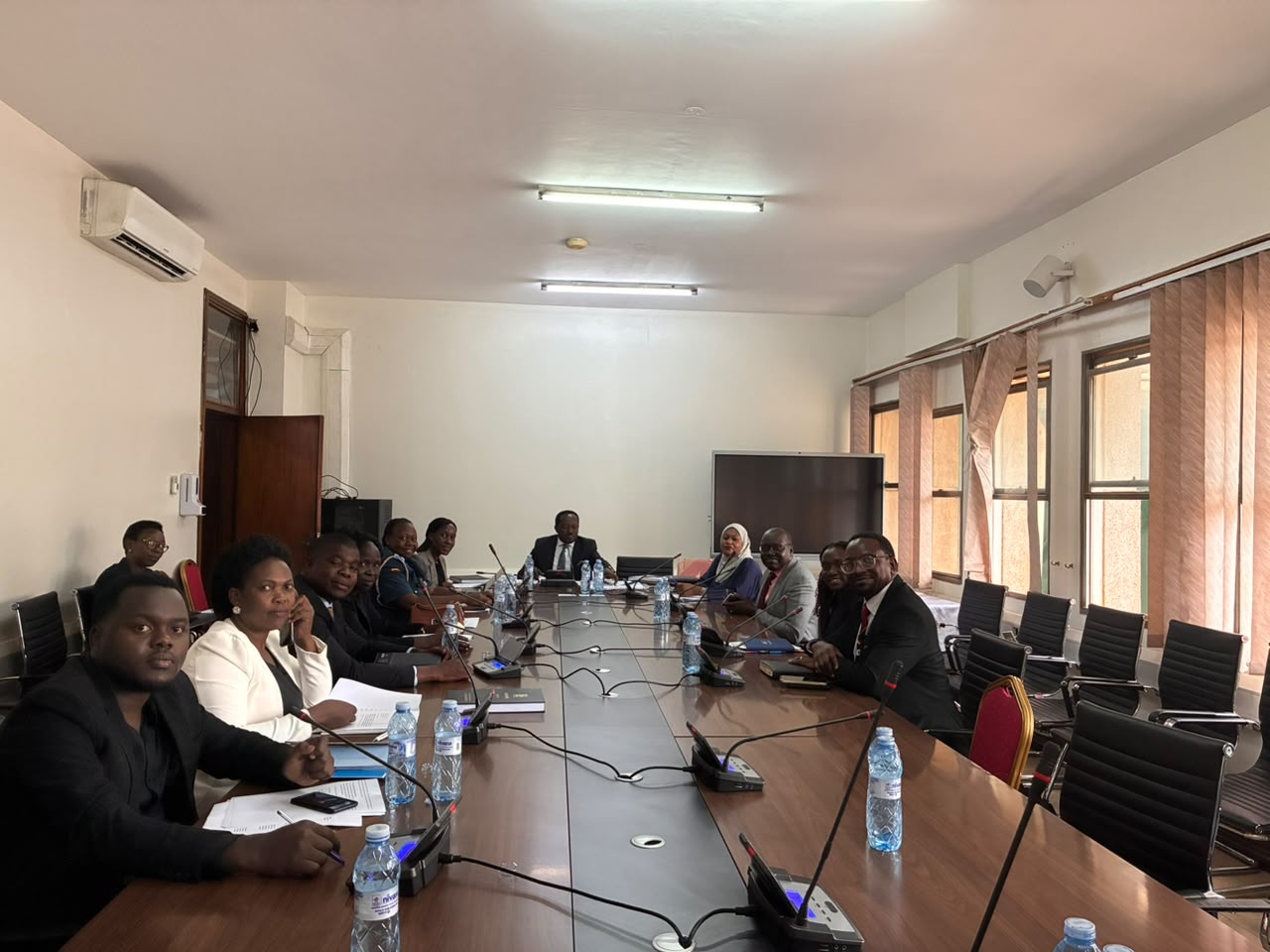
On 5th August 2026, Professor Richard Idro, Deputy Principal, Makerere University College of Health Sciences (MakCHS), Dr Ruth Namazzi and Dr Deo Munube represented the College and made a submission to the Uganda Parliamentary Committee on Human Rights in response to recommendations contained in the 28th Uganda Human Rights Commission (UHRC) Annual Report for 2025 concerning the training of health professionals and other issues related to the care of people living with cancer, mental health conditions, and substance and drug abuse.
The Parliamentary Committee on Human Rights had invited the MakCHS to make submissions on the following issues raised in the UHRC Annual Report for 2025:
1. Issues Regarding Mental Health
Issue 1. Strengthening treatment and rehabilitation for drug and substance abuse: "The Ministry of Gender, Labour and Social Development should prioritize community and institutional sensitization to uphold the right to health and wellbeing. This includes awareness campaigns in schools, workplaces, and communities aimed at preventing and detecting drug and substance abuse early, thereby protecting vulnerable groups from exploitation and harm."
Response by MakCHS
The Department of Psychiatry at MakCHS already has made ongoing efforts to sensitize school-going children through the School Mental Health Program led by Dr. Janet Nakigudde who recently retired from the department but continues to support our programs. The program primarily focuses on building resilience and promoting positive mental health among learners and their teachers. However, this program could be expanded to incorporate the following:
- Education about students and their teachers about the prevalence of substances, the ease with which it can be accessed,
- The dangers of substance use, especially on brain growth and school performance,
- The adverse effects of substances particularly as a precursor to criminality,
- Equipping students with the knowledge and skills needed to recognize, avoid, and respond to the risks associated with alcohol and other drugs
Issue 2. Recommendation to expand community-based mental health services: "The Ministry of Health should ensure the realization of the right to access healthcare by strengthening treatment and rehabilitation services for individuals affected by drug and substance abuse. This obligation extends to making services available, accessible, and non-discriminatory, in line with Uganda's human rights commitments."
Response by MakCHS
The Ministry of Health is in the advanced stages of streamlining the operations of rehabilitation centers across the country. The ministry has had multiple engagements with stakeholders including owners of these facilities and Parliament. The Attorney General has advised on how these efforts can be incorporated within existing legal framework.
As part of this initiative, the Department of Psychiatry at MakCHS allocates post-graduate students to various rehabilitation centres during their Alcohol and Drug Course rotation. This placement is intended to provide students with practical exposure to the assessment, management, and rehabilitation of individuals with substance use disorders while supporting the delivery of rehabilitation services. This effort should be extended to the other universities that are training specialists in mental health including clinical psychology and social work.
Issue 3. Duty of Parents and caretakers: "Parents and caretakers have a duty to safeguard the rights of children. They should provide guidance on the dangers of alcohol and drugs, and ensure physical, emotional, and financial support for children struggling with addiction, thereby protecting them from neglect and exploitation."
MakCHS Response
This recommendation is welcome, but we believe that the implementation is within the realms of the Ministry of Gender, Labour and Social Development. Called upon, we will be glad to participate in shaping the discourse and implementation of the services.
Issue 4. Prioritisation of development and expansion of community-based mental health services "The Ministry of Health should prioritize the development and expansion of community-based mental health services across districts, ensuring that persons with mental illnesses can access care close to home."
MakCHS Response
The Ministry of Health is actively implementing initiatives to increase the number of mental health care providers in the country. The Permanent Secretary has made pronouncements on this and there have been several adverts for the position of Psychiatrists, Clinical Psychologists and other Mental Health Professionals in hospitals. In support of this national agenda, the Department of Psychiatry has consistently enrolled at least ten (10) postgraduate students in each of the last three admissions, demonstrating its commitment to training the next generation of psychiatrists. We anticipate that by 2040, the Department of Psychiatry at Makerere will have trained 140 psychiatrists. This will be in line with the Vision 2040 goals.
In addition, the Department is developing a specialized training program in Medical Social Work with a strong emphasis on mental health. This program is intended to strengthen the mental health workforce by equipping social workers with the knowledge and skills required to provide comprehensive psychosocial care in healthcare settings. It also addresses the current gap, as the majority of practicing social workers have not received specialized training in medical social work. This particular care of professionals will be deployed at many hospitals to deliver the services that are urgently required.
Issue 5: Jointly with MoJCA, Parliament and the Uganda Law Reform Commission review/amend Section 198 of the Penal Code Act to decriminalize attempted suicide “The Ministry of Health should collaborate with the Ministry of Justice and Constitutional Affairs, Parliament and Uganda Law Reform Commission to review and amend Section 193 of the Penal Code Act, decriminalizing attempted suicide"
MakCHS Response
A petition seeking the decriminalization of attempted suicide has been submitted by stakeholders to Attorney General. The Attorney General met with the petitioners and had an engagement. A pronunciation on the matter is yet to be made. This petition reflects the growing recognition that suicidal behaviour is a mental health concern requiring compassionate, evidence-based care rather than criminal sanctions. As a department, we emphasize to the students this matter; suicide is not a crime. We have encouraged students to conduct research in this area with the aim of improving policy and practice.
In parallel, several policies and legislative initiatives are underway to support the decriminalization of attempted suicide. These include the enactment and implementation of the new Mental Health Act, which provides a rights-based framework for the promotion, prevention, treatment, and rehabilitation of individuals with mental health conditions. Collectively, these efforts are expected to strengthen the legal and policy environment for decriminalizing attempted suicide and improving access to appropriate mental health services.
2. Issues regarding Cancer
Issue no. 6: With Uganda Cancer Institute, invest in training, recruiting, and retaining oncology specialists
MakCHS Response
The College has contributed to addressing Uganda's growing cancer burden through the following priority areas:
1. Diagnostic laboratory training
Makerere University College of Health Sciences is a centre of excellence for training in pathology. Each year, the three-year Master of Medicine in Pathology program graduates from about five specialists who go on to serve in regional referral hospitals and medical schools. This is the oldest training centre of its kind in the East African region. The College has also maintained the Kyadondo Cancer Registry, the region's longest-running cancer registry, for decades.The College also runs a bachelor's degree program in Cytotechnology. Graduates from this program support laboratory diagnosis of cancer.
2. Specialized oncology training and multidisciplinary support disciplines
In collaboration with Mulago National Referral Hospital, Texas Children's Hospital, the Uganda Cancer Institute (UCI}, and other partners, MakCHS initiated and supports advanced subspecialty training in childhood blood disorders and cancers, including paediatric haematology and oncology. This two-year program allows qualified paediatricians and trains them to become leaders in the field. As a regional program that attracts trainees from across Africa, its graduates are establishing services for childhood blood disorders and cancers across the continent. To date, 24 fellows have been trained.
In addition, the College developed and is implementing another advanced subspecialty training programme in interventional radiology to strengthen cancer diagnosis and care. Interventional radiology uses imaging tools, such as ultrasound, to accurately diagnose and treat selected cancers. The first three graduates recently completed the programme and are already serving at Mulago National Referral Hospital.
In collaboration with Makindye-based Hospice Uganda, MakCHS also runs palliative care training. This programme trains health workers at diploma, bachelor's, and master's degree levels and graduates between 25 and 40 individuals annually. The programme contributes to the health workforce needed to provide holistic cancer care.
MakCHS is currently developing a Master of Nursing programme in Oncology Nursing and expects to admit the first students in the 2027/2028 academic year.
Further work is needed. Within the framework of MakCHS, the School of Public Health, and UCI, cancer community education and screening programmes can be strengthened.
3. Retain and mentor oncology specialists
MakCHS plans to create academic career pathways, including oncology research fellow positions, mentorship structures, and research opportunities that encourage oncology specialists to remain at UCI, Mulago Hospital, and within MakCHS academic structures.
4. Cancer research, innovation, and training
MakCHS already hosts cancer research programmes focusing on breast, cervical, liver, childhood, and blood cancers. The College provides an enabling research environment through grants management, research ethics committees, specialized laboratories, molecular and biomarker testing capacity, biorepositories, clinical trials, epidemiology, and implementation science platforms.
In collaboration with the Central Public Health Laboratories and the Makerere University Biomedical Research Centre, Mulago National Referral Hospital and the UCI (Uganda Cancer Institute) will host a regional specialized hub for cancer pathology, molecular testing, and biobanking.
MakCHS will continue to leverage this capacity, in collaboration with UCI and other partners, to strengthen research in cancer prevention, early diagnosis, treatment, epidemiology, molecular science, clinical trials, implementation science, and health systems. MakCHS also plans to contribute technical expertise and research capacity to cancer surveillance, registry strengthening, and the use of large datasets for planning. This will draw on the College's growing expertise in registries and data science, including experience from the sickle cell disease registry, to support UCI in strengthening cancer registries and incorporating large data management and bioinformatics into cancer research.
5. Work with UCI to deepen local and international partnerships for cancer care, prevention, and research
MakCHS has a strong record of building local and international partnerships, including collaborations with leading universities in the USA, Europe, and Asia, as well as major funding agencies such as the National Institutes of Health (NIH), the Medical Research Council (MRC), the European and Developing Countries Clinical Trials Partnership (EDCTP), and the Gates Foundation. Through its collaboration with the Uganda Cancer Institute, MakCHS can leverage these partnerships to mobilize resources, support training fellowships, improve mentorship, and strengthen infrastructure for cancer training and research.
The proposed Makerere University Teaching and Research Hospital
One of the major initiatives the college will be undertaking is our proposal for a new Makerere University Teaching and Research hospital that will host additional spaces and specialties for mental health and cancer. We will appreciate the support of Parliament in its realization.
In conclusion, MAKCHS remains committed to supporting national efforts to improve healthcare education and service delivery while contributing to Uganda's broader health and human rights agenda.