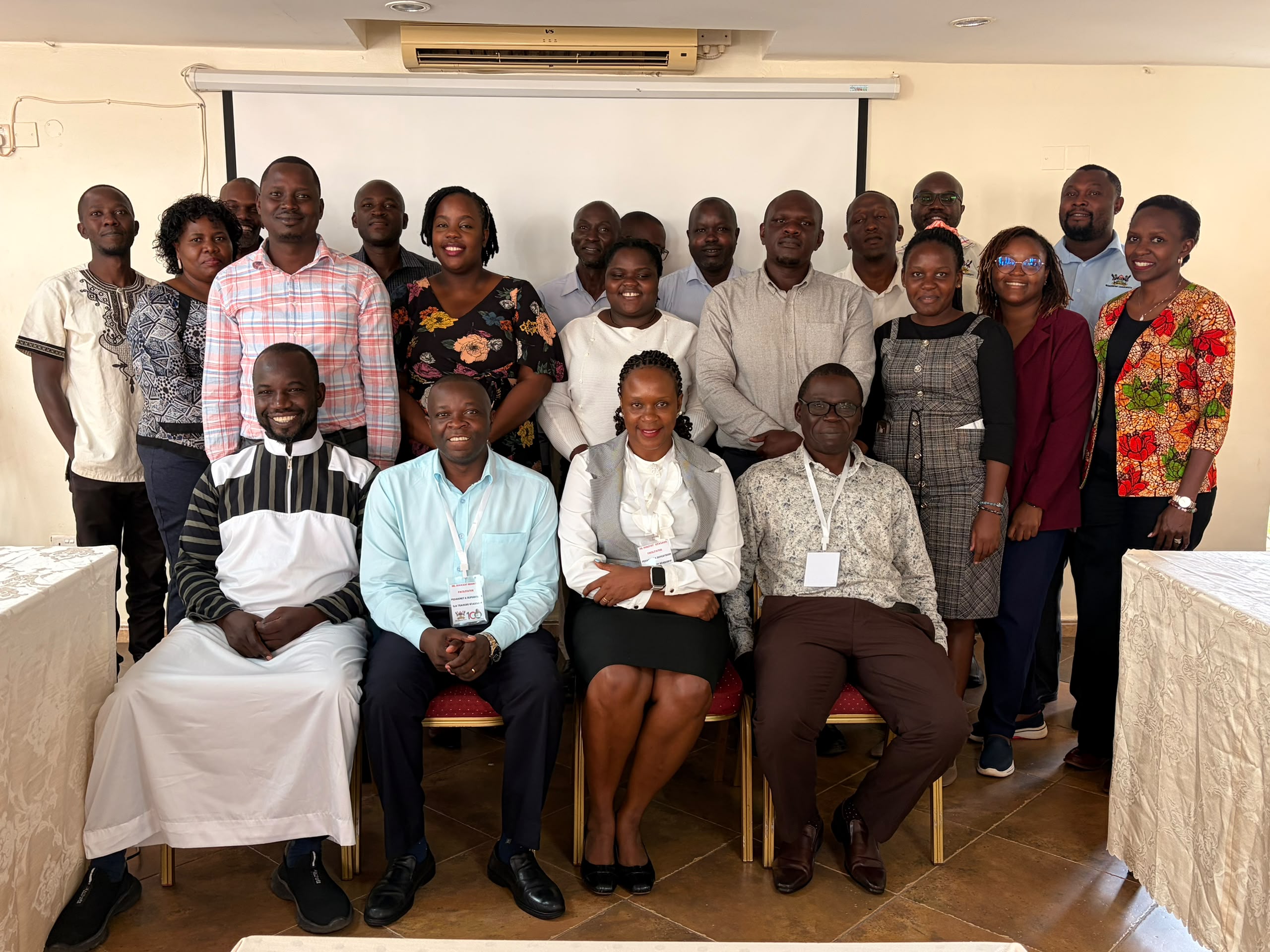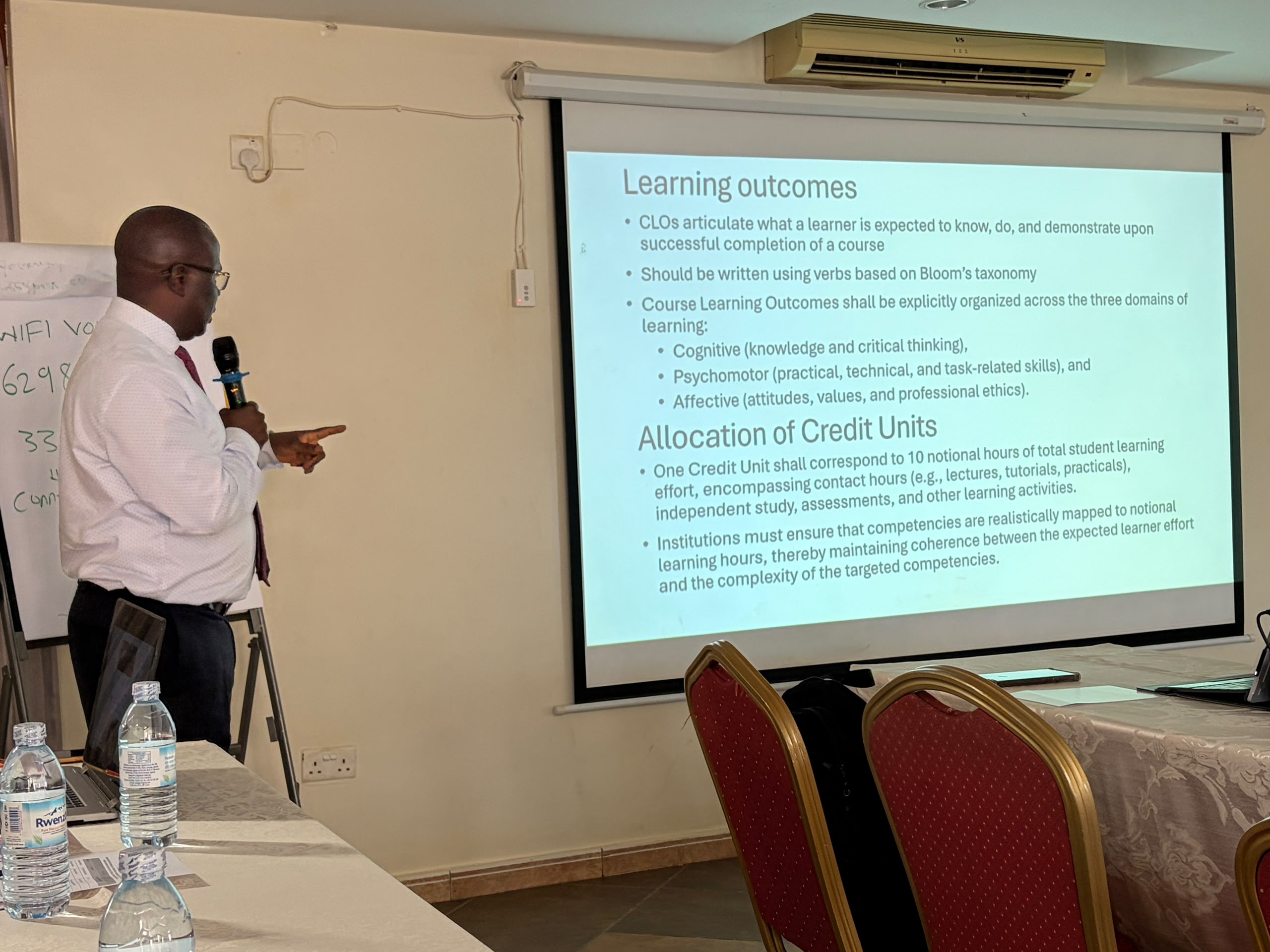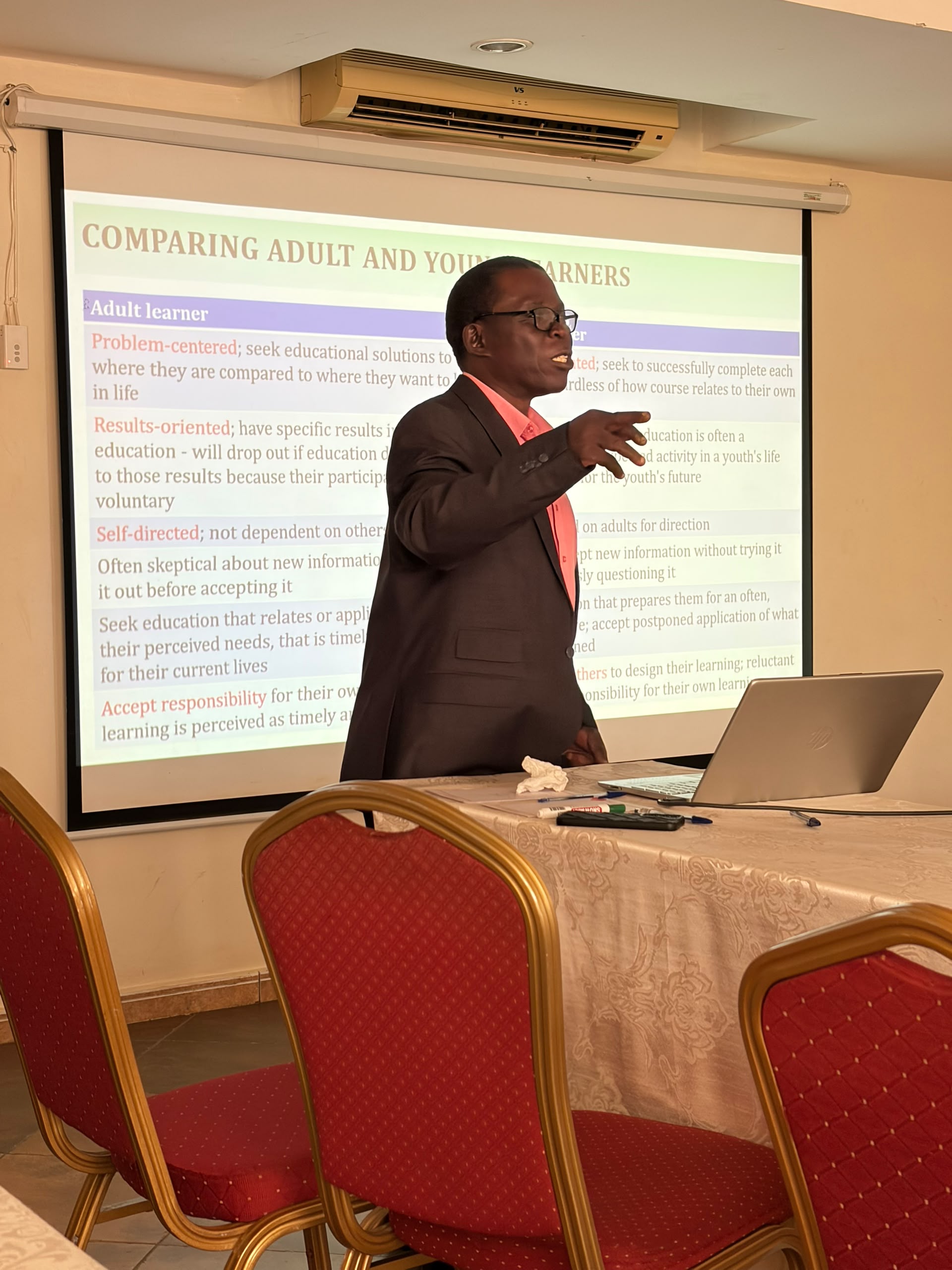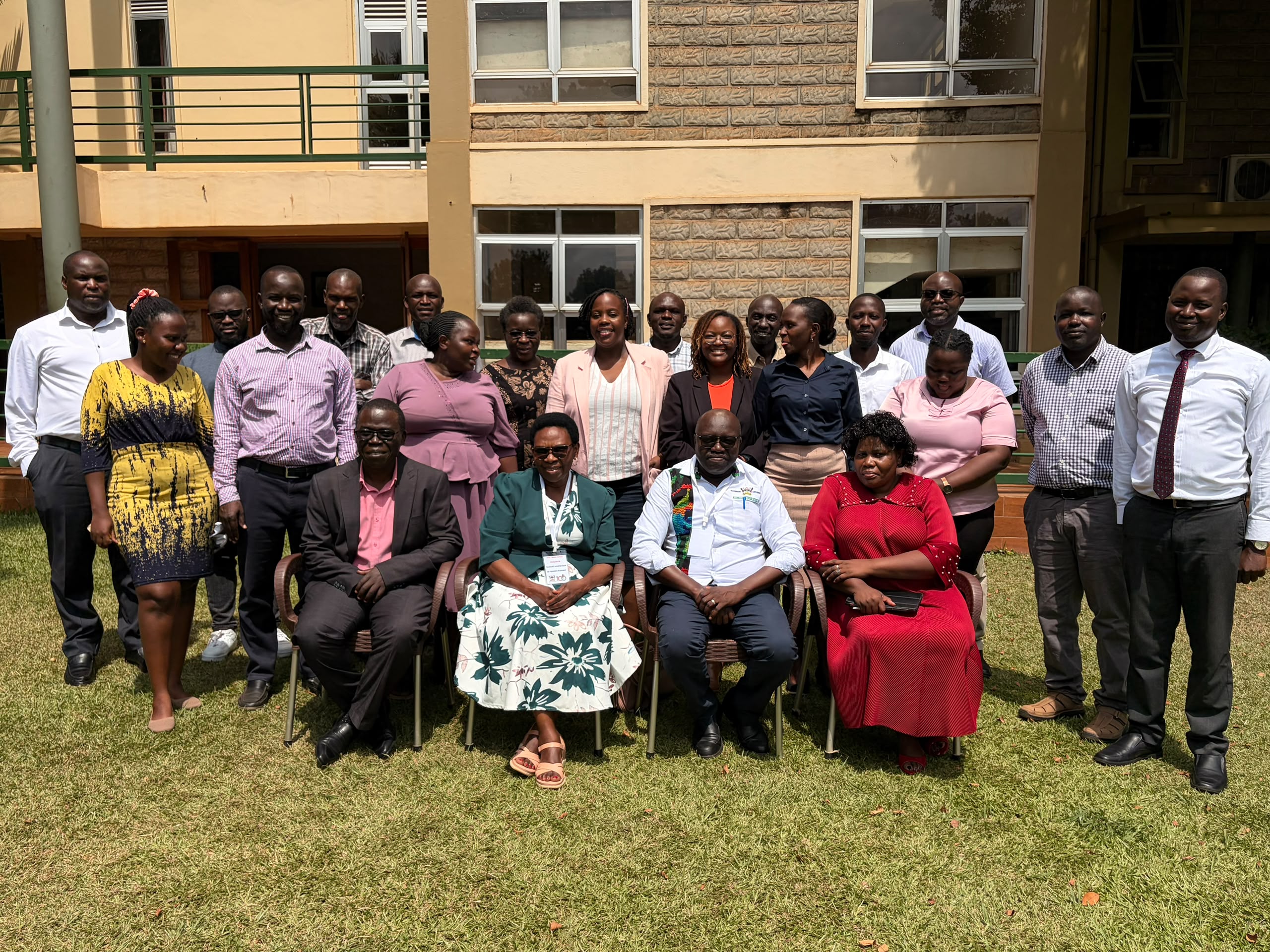
As Makerere University continues its transition towards competence-based education, the College of Health Sciences (MakCHS) equipped its early-career academic staff with modern teaching, assessment, and supervision skills through a two-day training workshop aimed at enhancing the quality of health professions education.
Held on the 18th and 19th June 2026 at Esella Hotel in Kira, the training brought together teaching assistants, lecturers, senior lecturers, key administrators, and PhD fellows for intensive sessions on pedagogy, student assessment, graduate supervision, and competence-based curriculum implementation.
The workshop forms part of the College's broader efforts to strengthen teaching and learning while preparing staff for the effective implementation of the competence-based curriculum in line with national quality standards.
Building Capacity for Student-Centred Learning
The training focused on equipping participants with contemporary pedagogical approaches that promote learner-centred education, improve assessment practices, strengthen graduate supervision, and encourage collaboration among academic staff and administrators.
Participants engaged with facilitators from Makerere University who delivered presentations on key areas including assessment guidelines, competence-based education, innovative teaching methodologies, knowledge production, graduate supervision, curriculum alignment with National Council for Higher Education (NCHE) requirements, and effective feedback mechanisms.
Speaking on the importance of the initiative, Dr. Irene Rebecca Namatende, Quality Assurance Officer at MakCHS, emphasized that strengthening the capacity of academic staff is central to improving educational quality.
"As higher education continues to evolve, our teaching methods, assessment practices and supervision approaches must evolve as well. This training is part of our commitment to ensuring that every learner benefits from high-quality, competence-based education."
Practical Skills for Better Teaching and Assessment
Throughout the workshop, participants explored practical strategies for delivering engaging lessons, conducting fair and consistent assessments, and effectively supervising graduate students.
By the end of the training, participants reported a stronger understanding of learner-centred teaching approaches, enhanced supervision skills, greater appreciation for standardized assessment practices, and increased confidence in applying interactive teaching methods in their classrooms. The workshop also enabled participants to develop action plans for continuous professional development while strengthening their understanding of competence-based education as required by the NCHE.
Addressing Real Challenges in Graduate Education
One of the highlights of the workshop was an interactive discussion session where participants openly reflected on some of the practical challenges facing university teaching and postgraduate supervision.
Among the issues raised were supervision accountability, balancing contact hours with notional hours, implementing flexible assessment models, managing difficult supervisory relationships, increasing doctoral student engagement in departmental activities, and preparing academic programmes for review under the competence-based curriculum framework.
The discussions provided an opportunity for participants to share experiences while identifying practical solutions that can strengthen academic quality across the College.
Supporting Makerere University's Quality Enhancement Agenda
The workshop reflects the MakCHS's ongoing commitment to continuous quality improvement and academic excellence. By investing in the professional development of its academic staff, the College aims to ensure that graduates possess the competencies required to respond effectively to the evolving needs of Uganda's health sector and the global healthcare environment.
The initiative also aligns with Makerere University's broader strategic objective of enhancing teaching, learning, research, and graduate training through evidence-based quality assurance practices.
The organizers expressed appreciation to the workshop facilitators, participants, the College Principal and Deputy Principal, the Chief Quality Assurance Officer, and the University Management for supporting the successful delivery of the training. Their collective commitment, the organizers noted, continues to strengthen the University's pursuit of academic excellence and innovation in higher education.