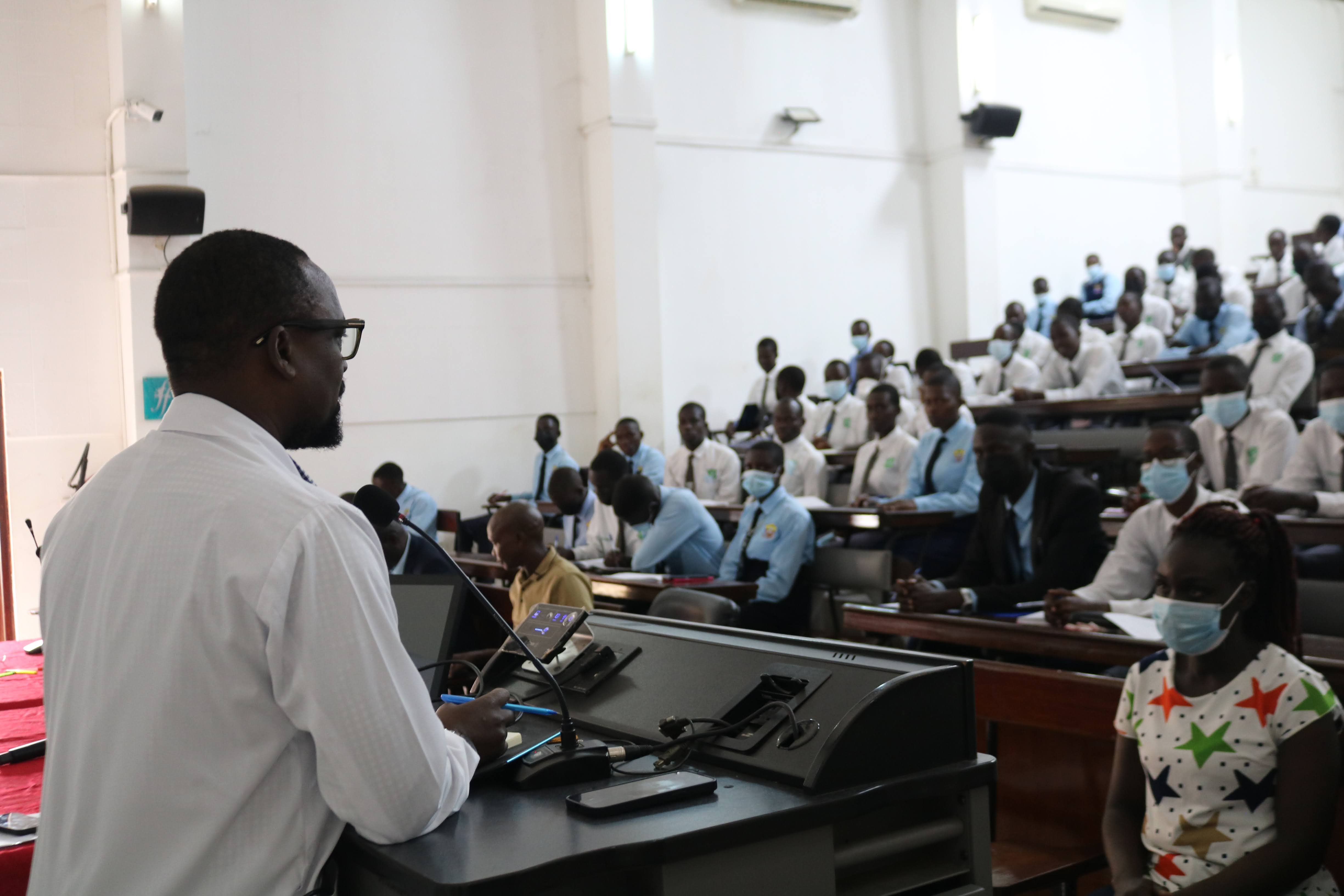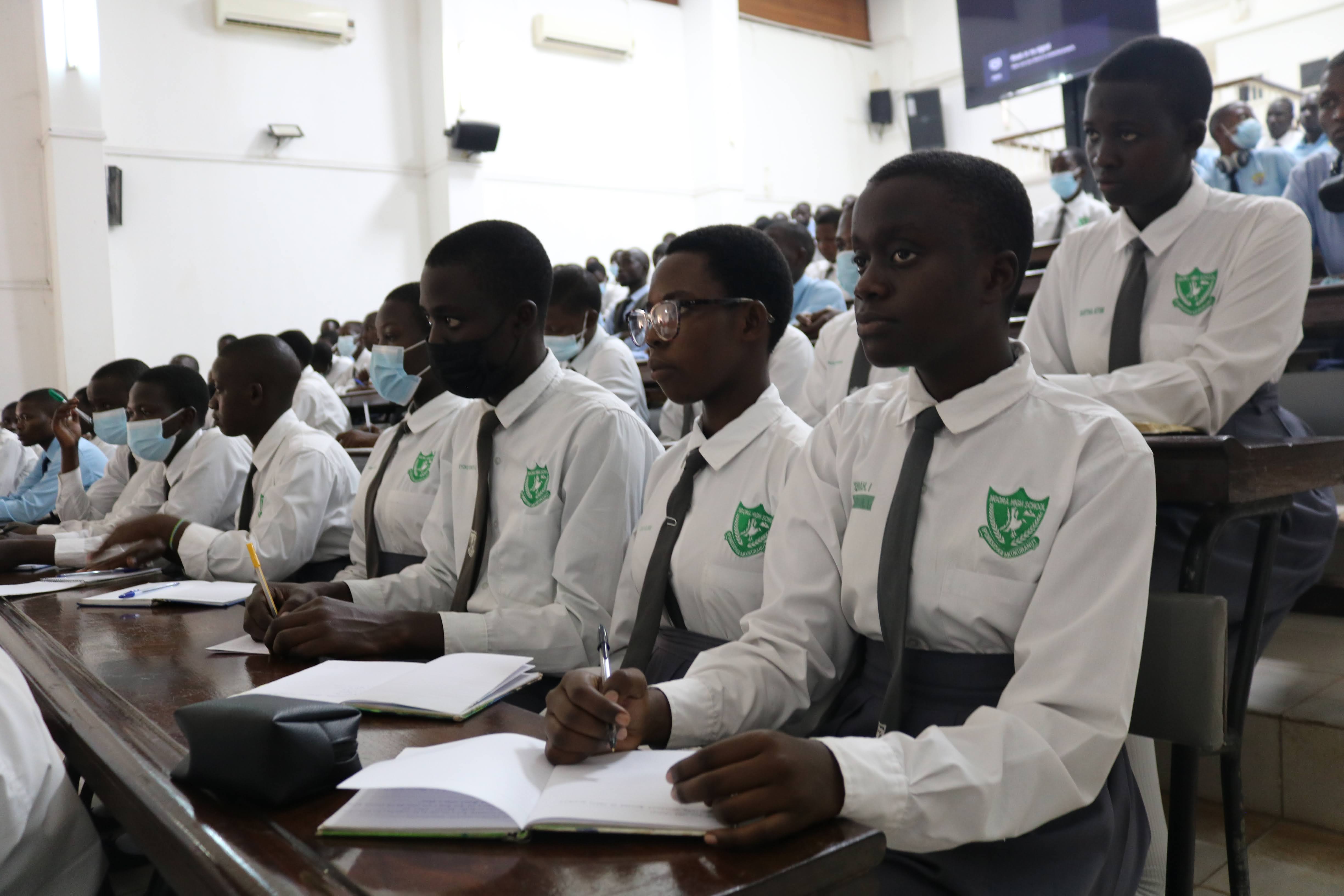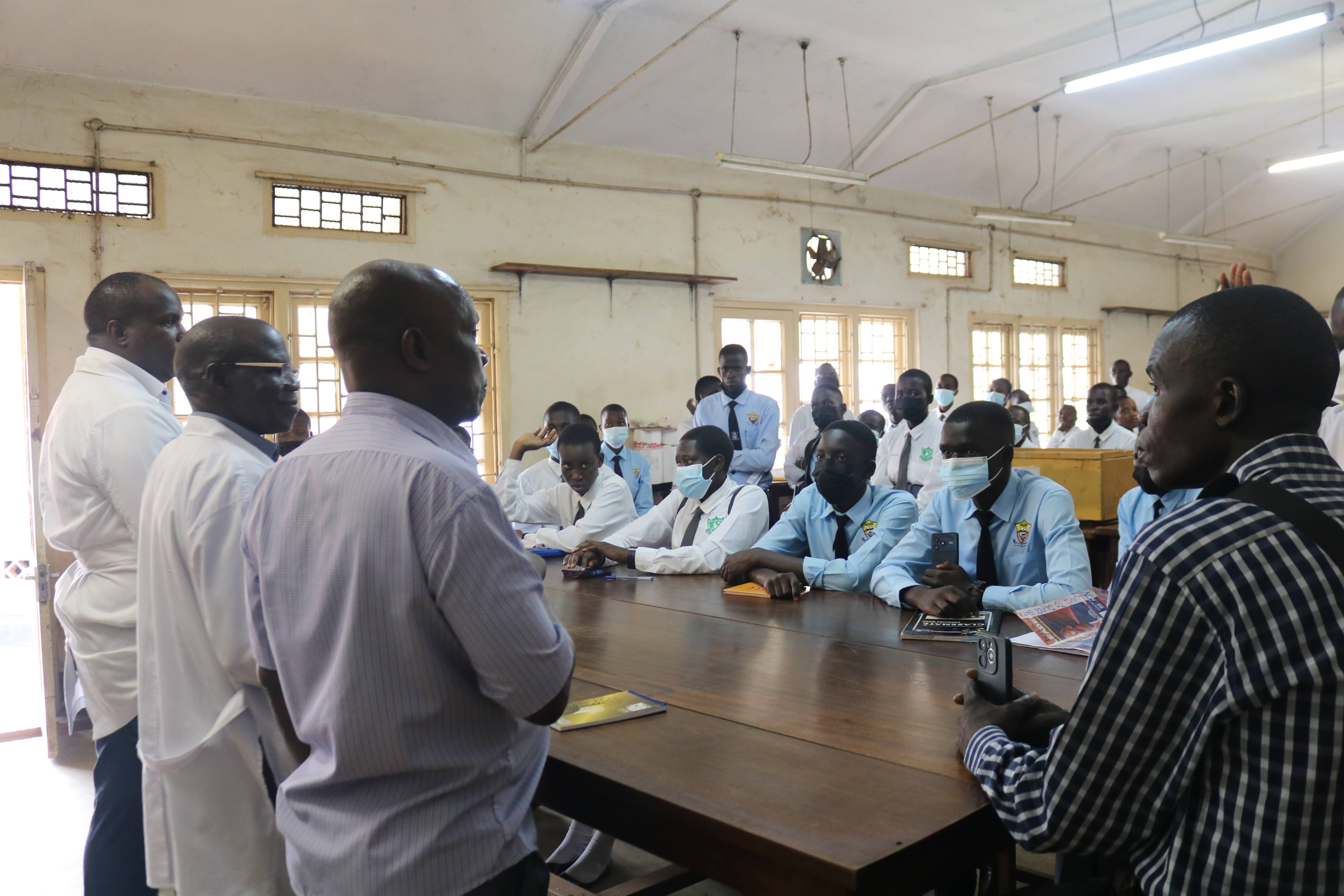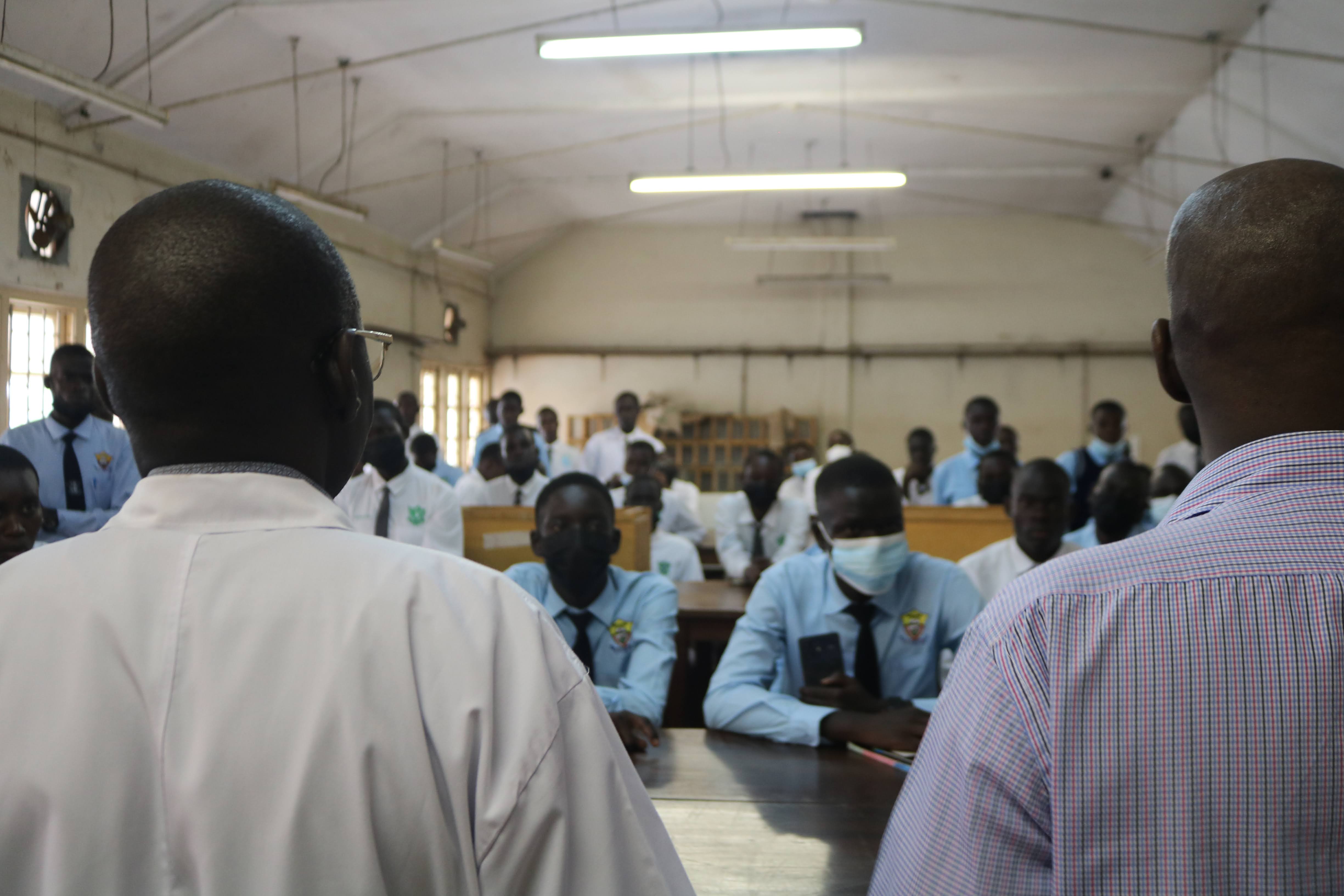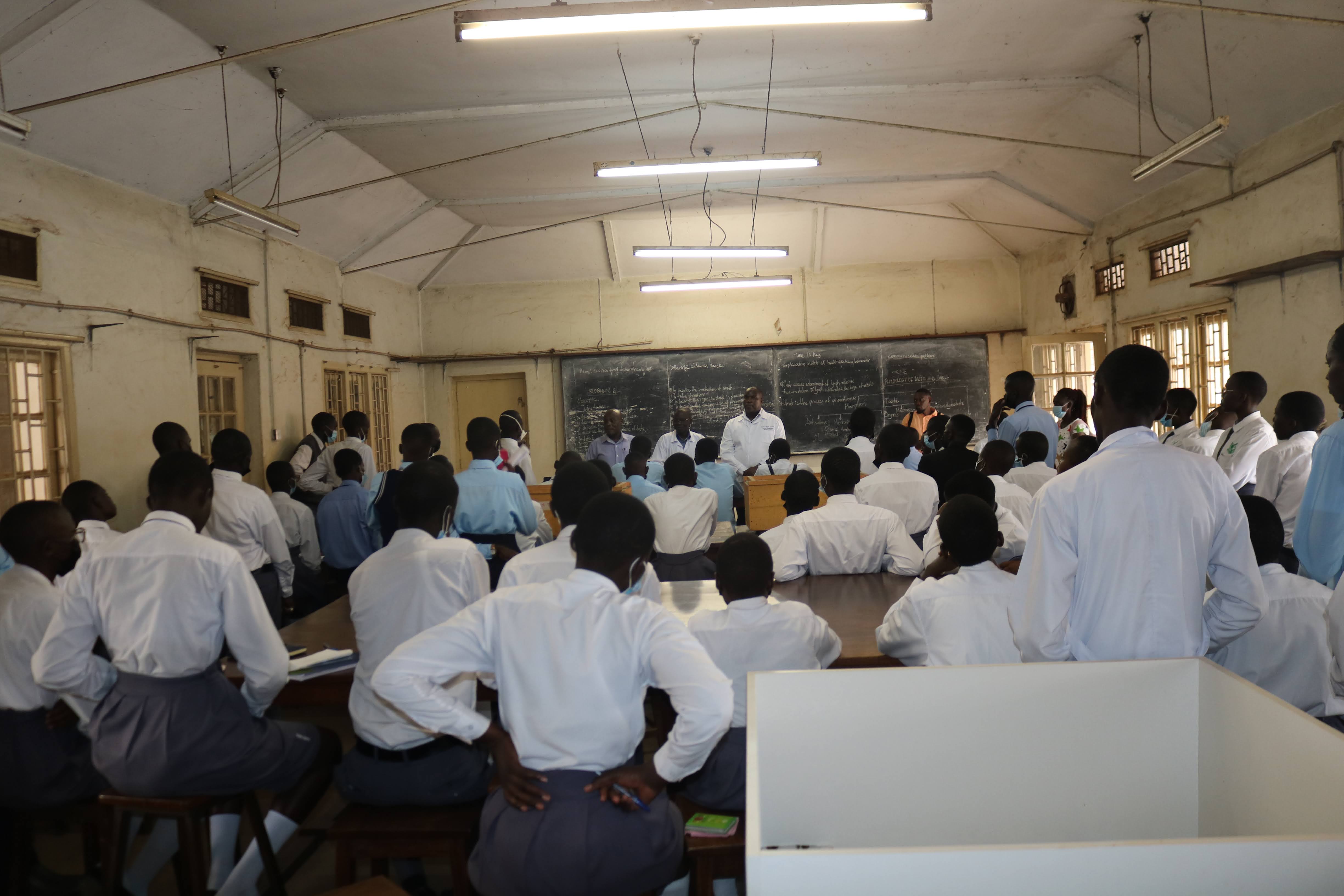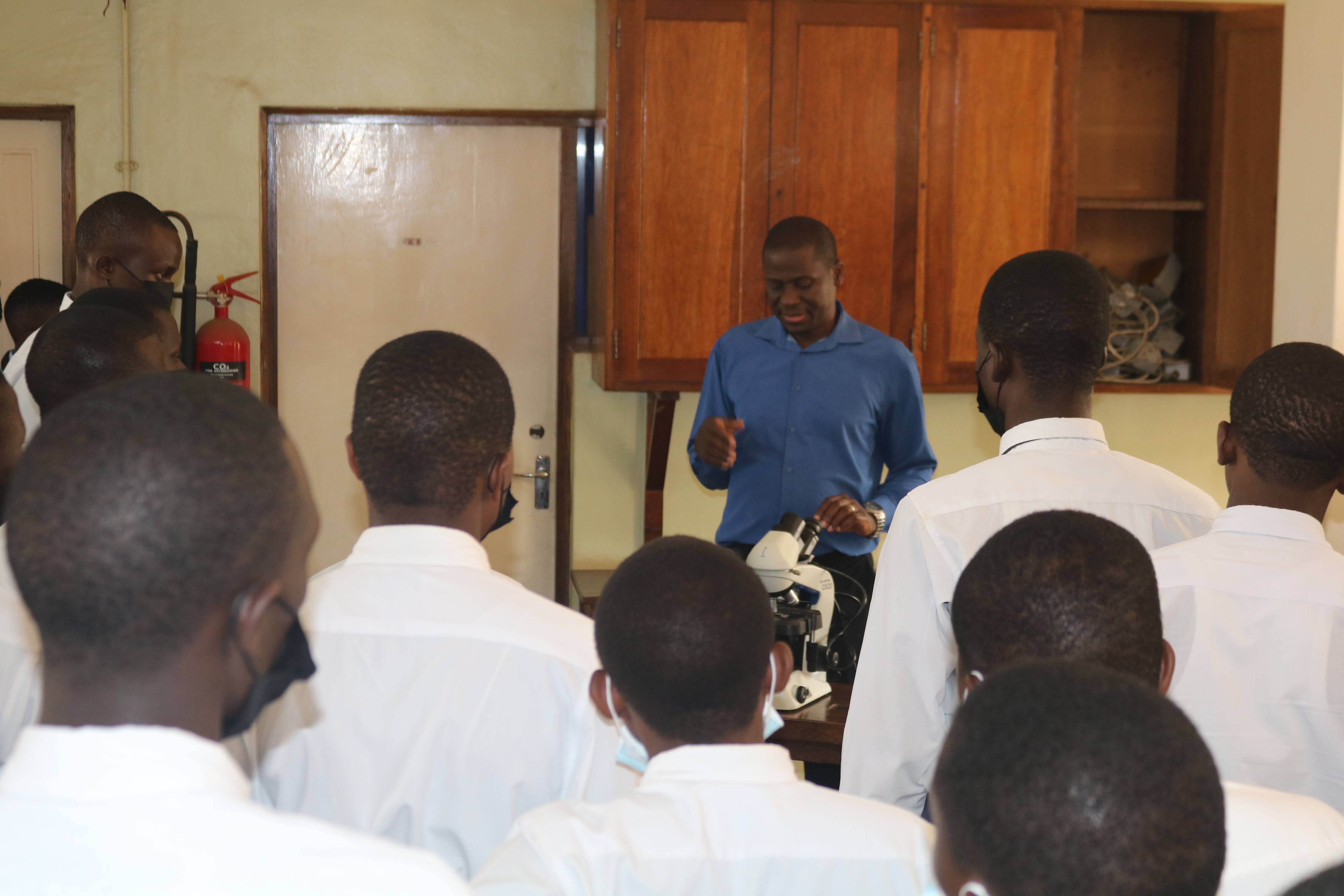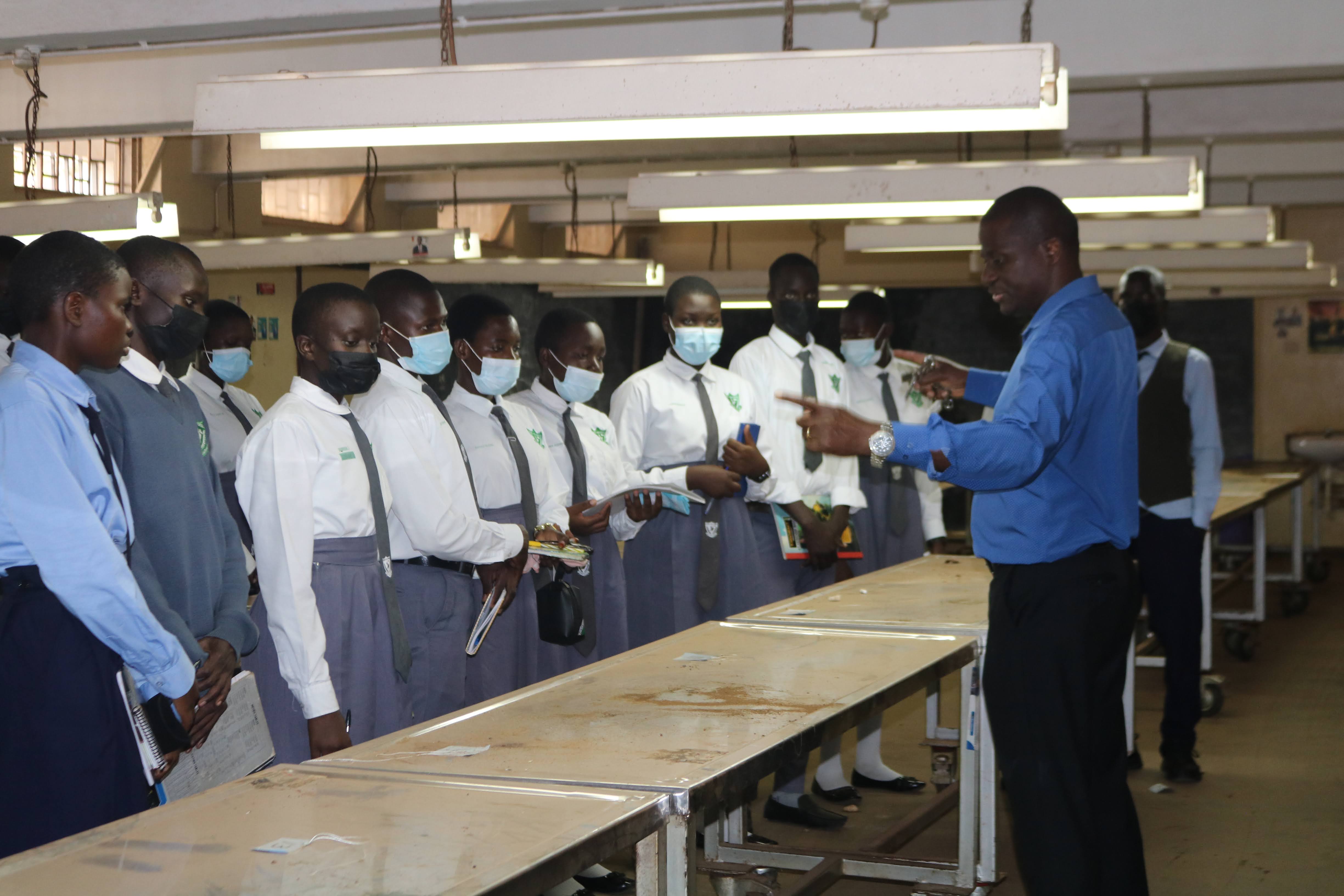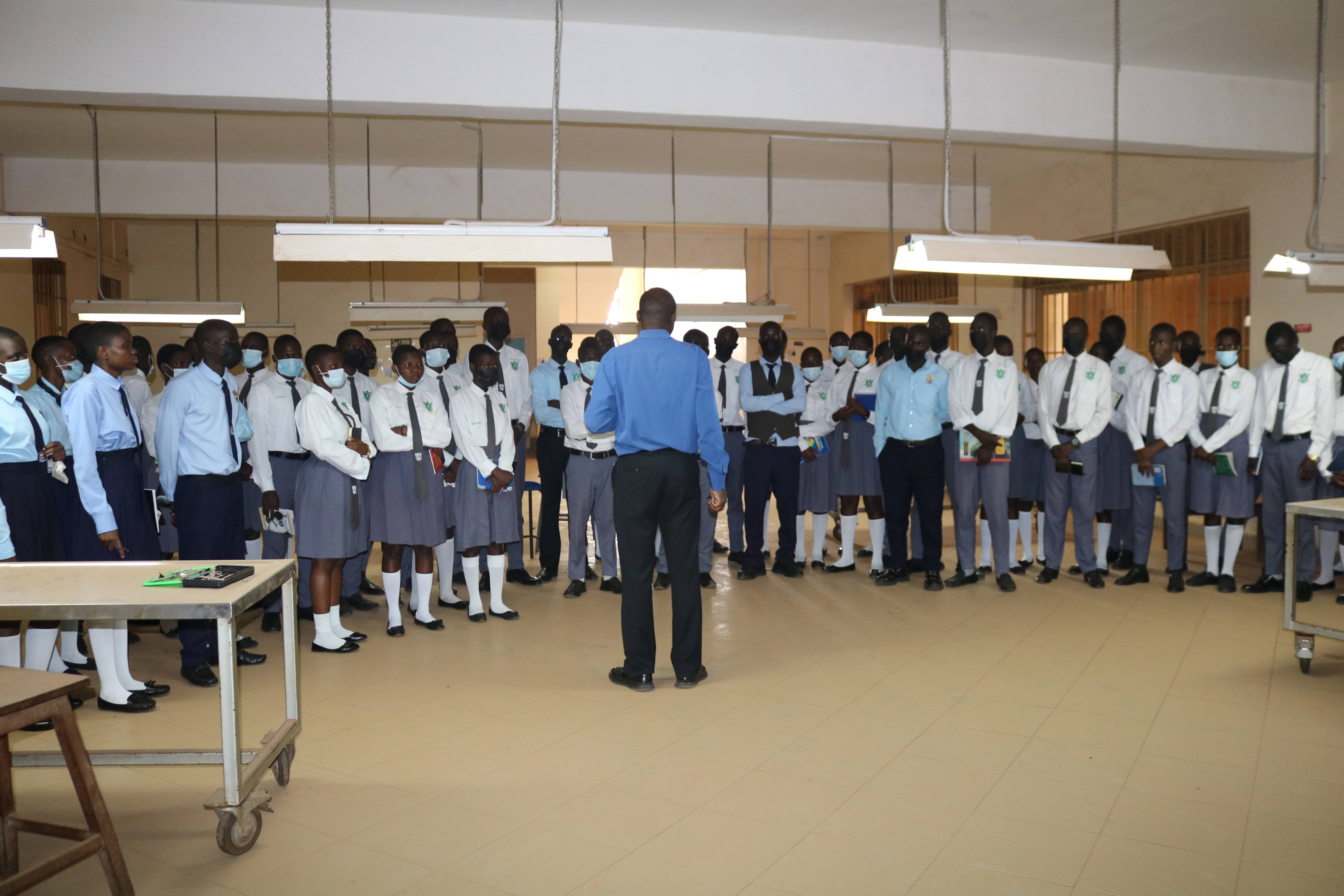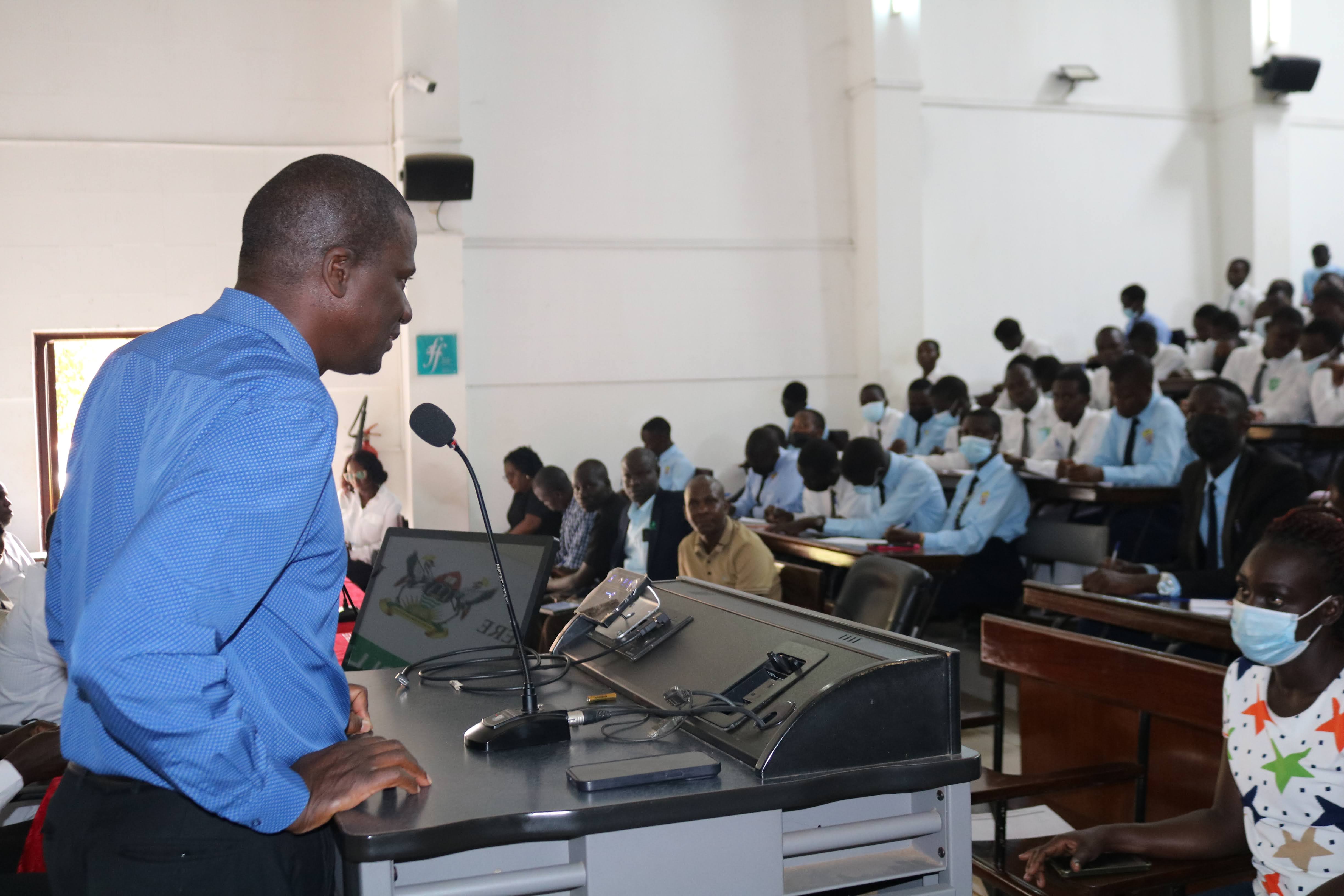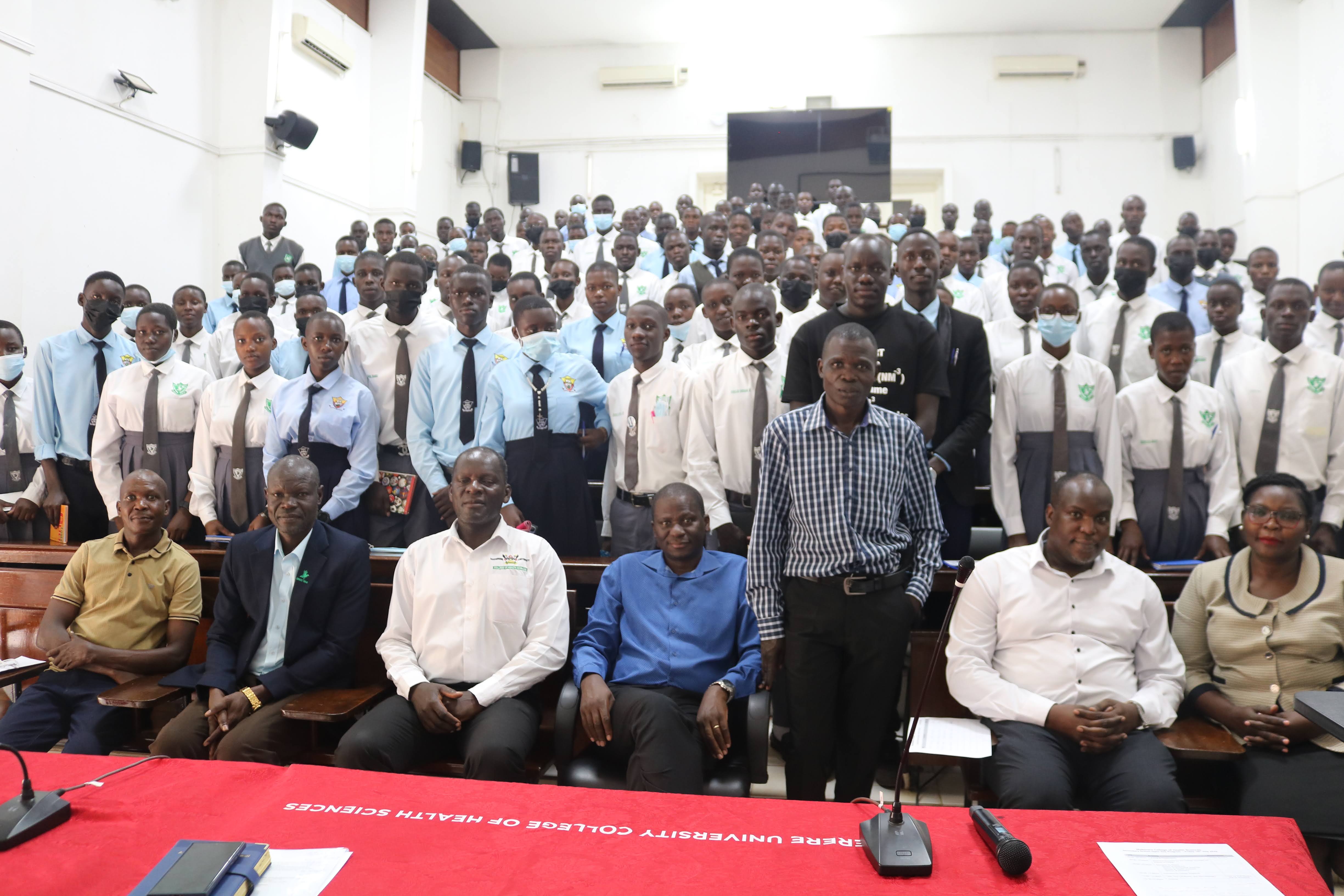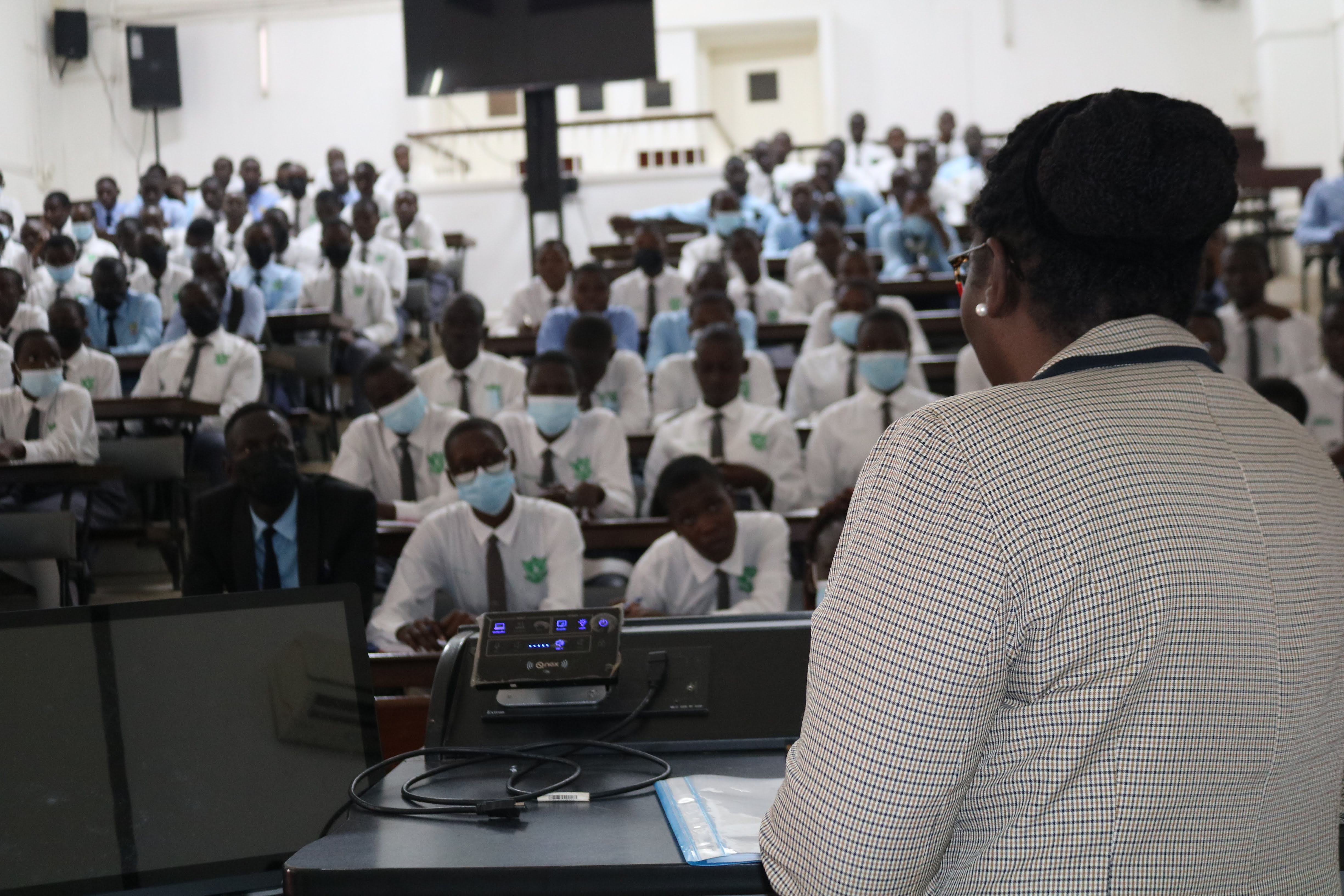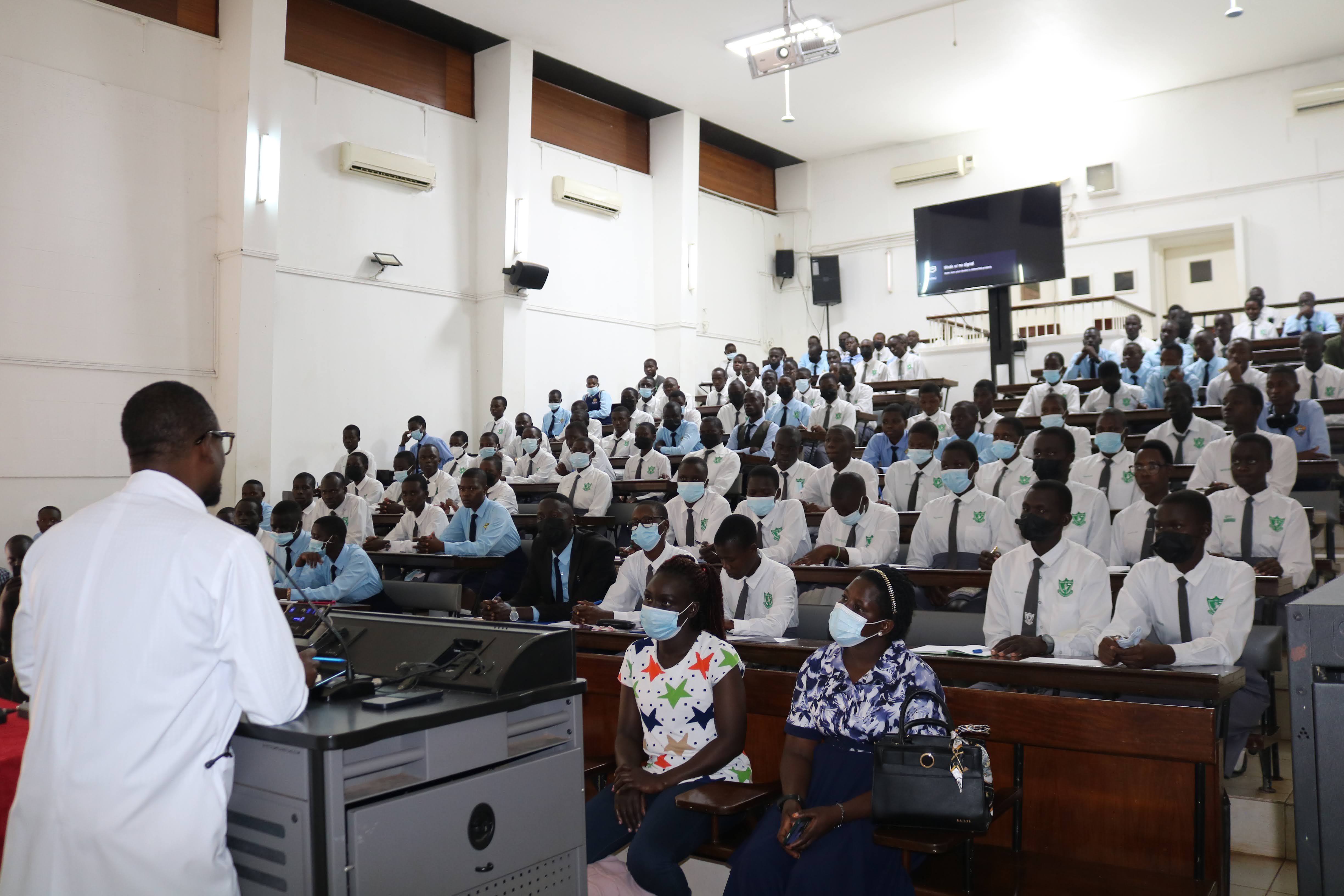
The Makerere University College of Health Sciences (MakCHS) on July 10, 2026, welcomed senior six science students from Ngora High School and Wiggins Secondary School to an inspiring Career Fair aimed at guiding them on careers in health sciences and introducing them to the wide range of academic programmes offered by the College.
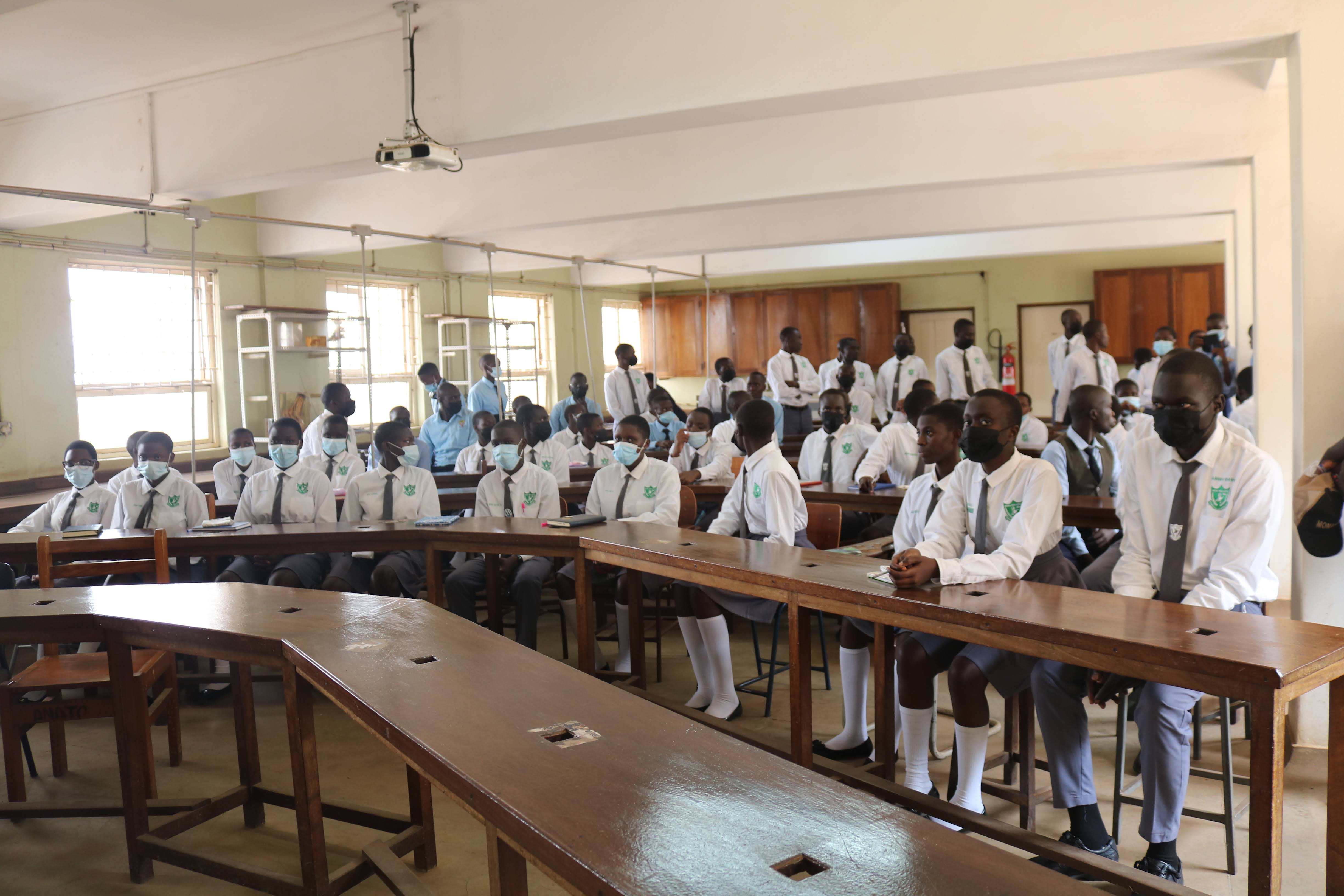
The event brought together students pursuing Physics, Chemistry, Biology (PCB) and Biology, Chemistry, Mathematics (BCM), providing them with a unique opportunity to interact with the College leadership, tour laboratories and teaching facilities, and learn first-hand about careers in medicine and other health science disciplines.
Welcoming the students, the College Principal, Prof. Bruce Kirenga, described the College of Health Sciences as one of Africa's oldest and most distinguished medical schools, with a legacy spanning more than a century.
"We started in 1924, making us one of the oldest medical schools on the continent. You have made the right decision to visit Makerere, and we are delighted to welcome you," he said.
Prof. Kirenga commended the school administrators and teachers for organizing the visit, noting that exposing learners to university environments early helps them make informed career choices. He explained that the College introduced the Open Day concept after receiving numerous requests from schools seeking career guidance visits.
He congratulated the students for choosing science subjects, describing science as the foundation for solving society's most pressing challenges.
"You have already made one of the most important decisions by choosing to become scientists. Even more importantly, you have chosen life sciences—a field dedicated to preserving and improving life," he remarked.
The Principal emphasized that careers in life sciences extend far beyond medicine, encouraging students to remain open-minded as they consider their future.
"Everything that has life requires professionals to keep it healthy—from human beings and animals to crops and the environment. The opportunities are immense, including agriculture, veterinary medicine, biomedical sciences, public health and many other emerging fields."
He also advised students not to limit themselves to only one academic programme during university applications, recalling instances where highly qualified students narrowly missed admission because they selected only one course.
"Remain open to the opportunities available. Medicine is an excellent profession, but there are many other programmes that are equally rewarding and are shaping the future of healthcare and scientific innovation," he said.
Prof. Kirenga further encouraged the students to embrace lifelong learning, reminding them that scientific knowledge remains valuable regardless of the career path they eventually pursue.
Addressing the students, the Dean of the School of Medicine, Prof. Annette Nakimuli, acknowledged the growing competition for admission into medical programmes and urged learners to work hard while keeping an open mind about the diverse opportunities available within health sciences.
She explained that admission into the Bachelor of Medicine and Bachelor of Surgery (MBChB) programme has become increasingly competitive due to the rising number of high-performing applicants.
"This year we witnessed unprecedented competition for government sponsorship, with many applicants scoring triple A at Advanced Level and outstanding grades at Ordinary Level. That tells you that you must prepare yourselves to excel academically," she said.
Prof. Nakimuli noted that while many students aspire to become medical doctors, the health sector today offers numerous innovative programmes that are equally important.
"There are many programmes that parents, teachers and students are still not familiar with. Biomedical Engineering, for example, is one of the exciting fields driving the future of healthcare, yet many students overlook it because they focus only on medicine."
She encouraged students to explore emerging disciplines that combine medicine, engineering, technology and research, noting that the future of healthcare increasingly depends on multidisciplinary professionals.
The Dean also introduced students to the structure of the School of Medicine, explaining that it comprises twelve academic departments and two specialised units covering a broad spectrum of clinical disciplines, including Internal Medicine, Surgery, Obstetrics and Gynaecology, Orthopaedics, Ophthalmology, Ear, Nose and Throat (ENT), Family Medicine, Anaesthesia and Critical Care, among others.
She explained that students are trained by specialists across these disciplines to become competent general practitioners before pursuing further specialization.
Prof. Erisa Mwaka, the Chair of the Department of Human Anatomy, shared with the students about the School of Biomedical Sciences (SBS). He said the school is one of the four schools that make up the Makerere University College of Health Sciences (MakCHS). As the foundation of medical education, the School provides students with a comprehensive understanding of the biological and molecular sciences that underpin modern healthcare, disease prevention, diagnosis and treatment.
The School comprises several departments, including:
- Human Anatomy
- Biochemistry
- Physiology
- Pharmacology and Therapeutics
- Pathology
- Microbiology
- Medical Illustration
The School offers undergraduate programmes such as the Bachelor of Science in Biomedical Sciences, which equips students with strong laboratory, research and analytical skills, and the Bachelor of Science in Biomedical Engineering, an interdisciplinary programme that integrates engineering, medicine and technology to develop innovative healthcare solutions.
At postgraduate level, the School offers a wide range of master's and doctoral programmes, including Human Anatomy, Physiology, Pharmacology, Bioinformatics, Immunology and Clinical Microbiology, Health Bioethics, Medical Illustration, Pathology and other biomedical specializations that prepare graduates for careers in research, academia, diagnostics, biotechnology and the pharmaceutical industry. The school also offers a wide range of diploma courses.
Throughout the Career Fair, students interacted with faculty members, toured laboratories and learning facilities, and received guidance on university admission, academic programmes and career prospects within the health sciences.
The Career Fair forms part of the College's broader outreach programme aimed at nurturing the next generation of healthcare professionals by exposing learners to university life and equipping them with the information needed to make informed academic and career decisions.