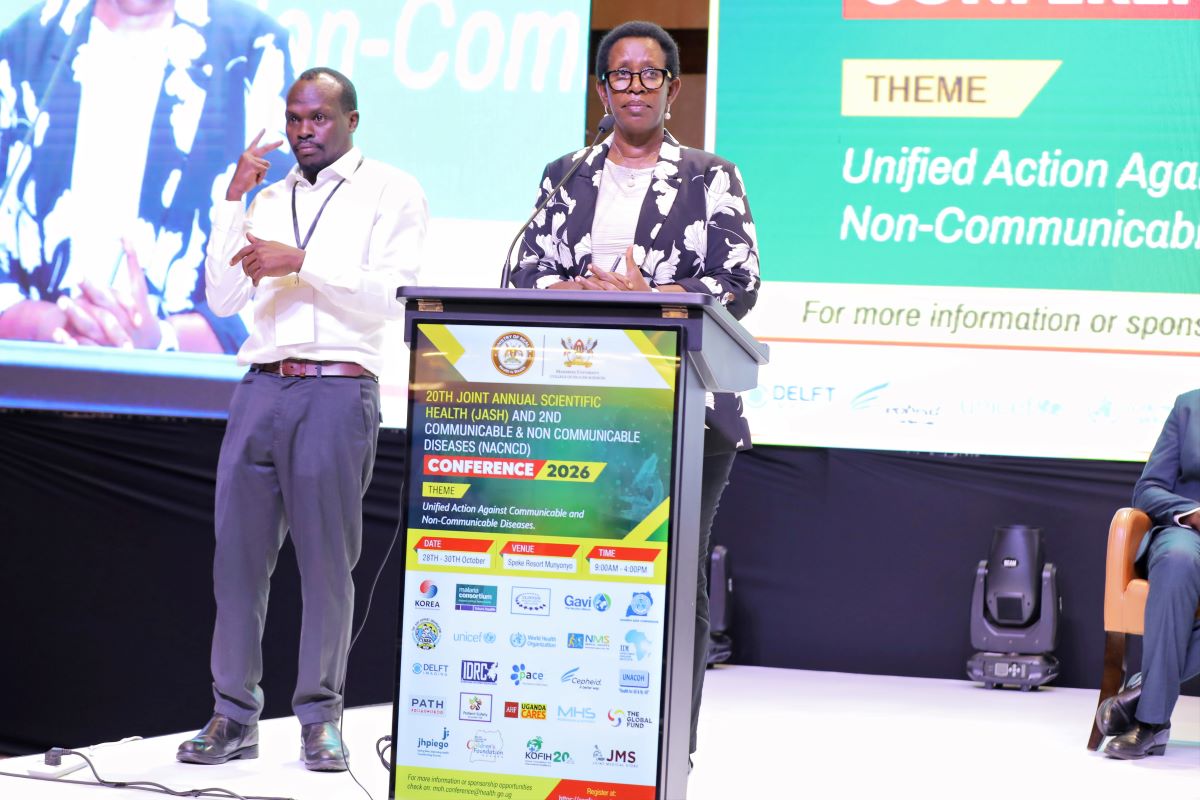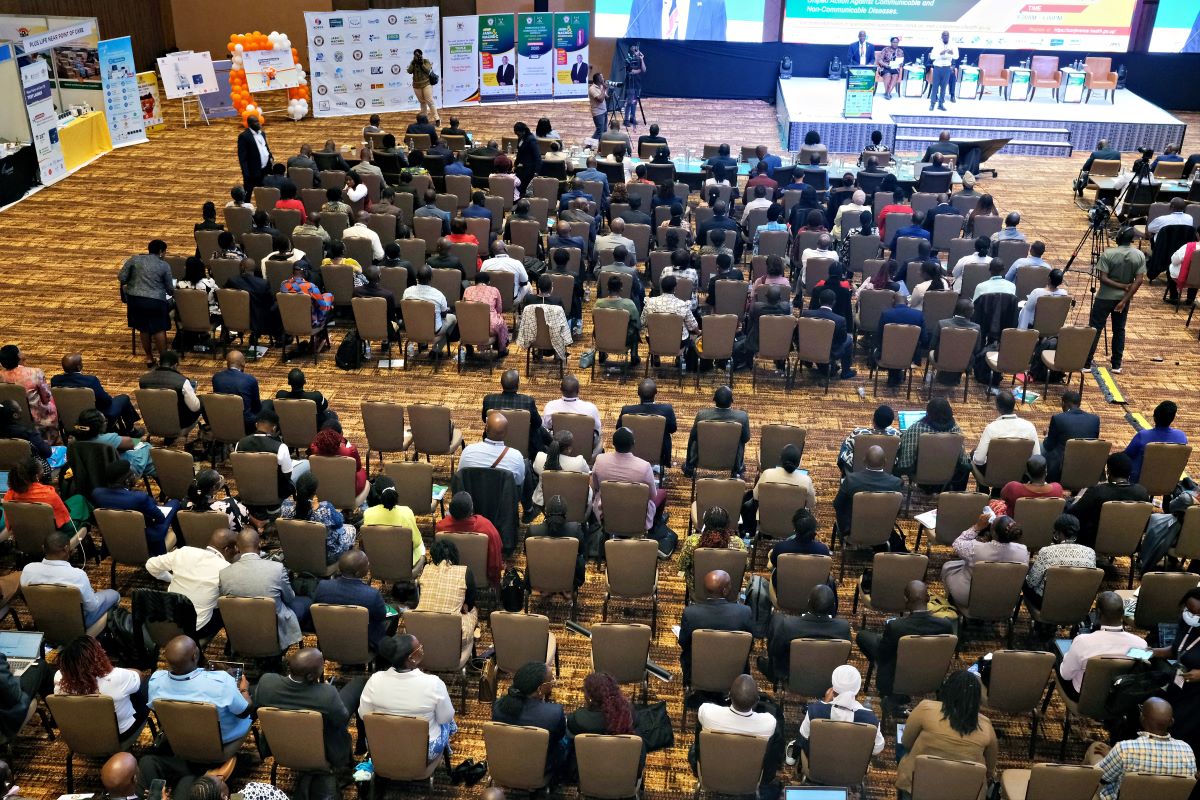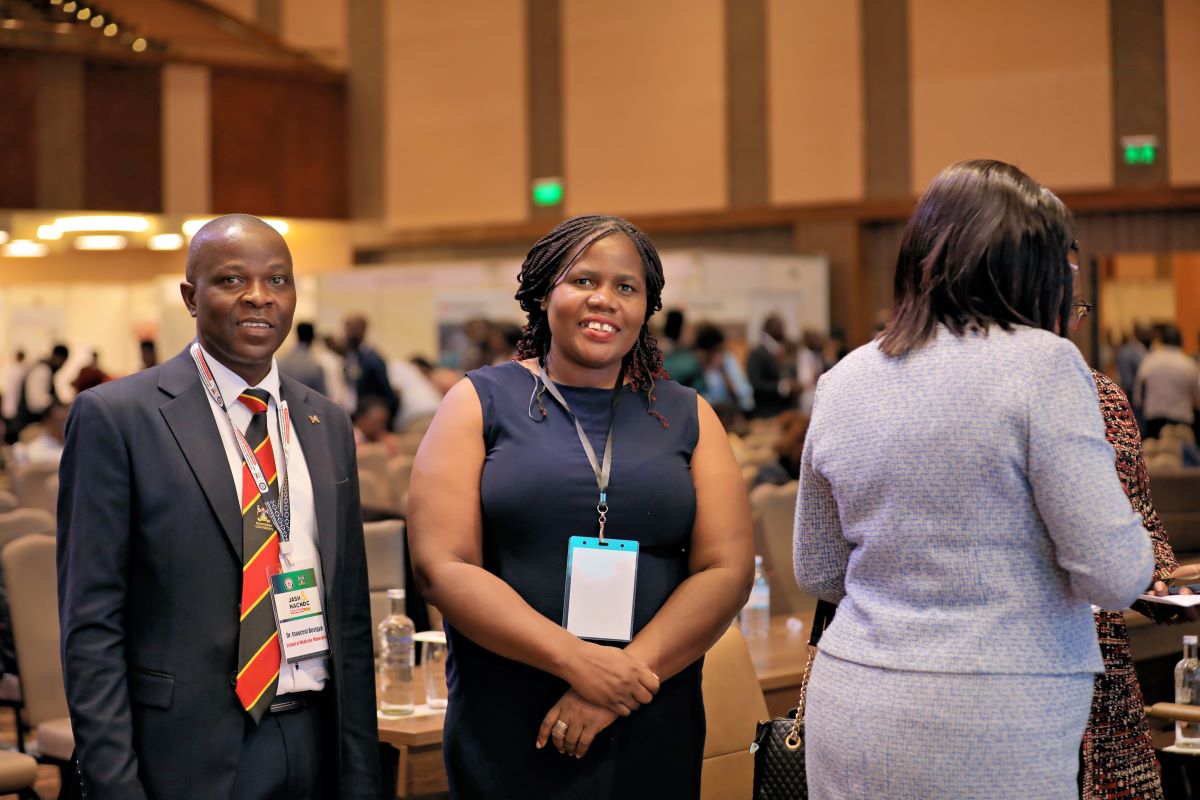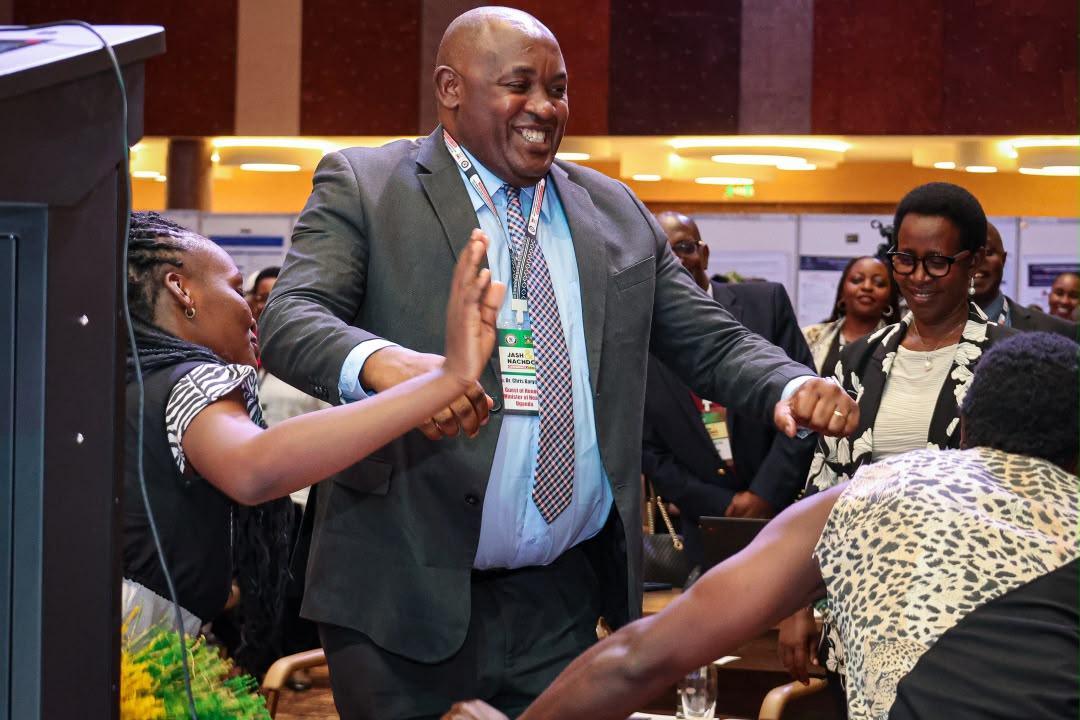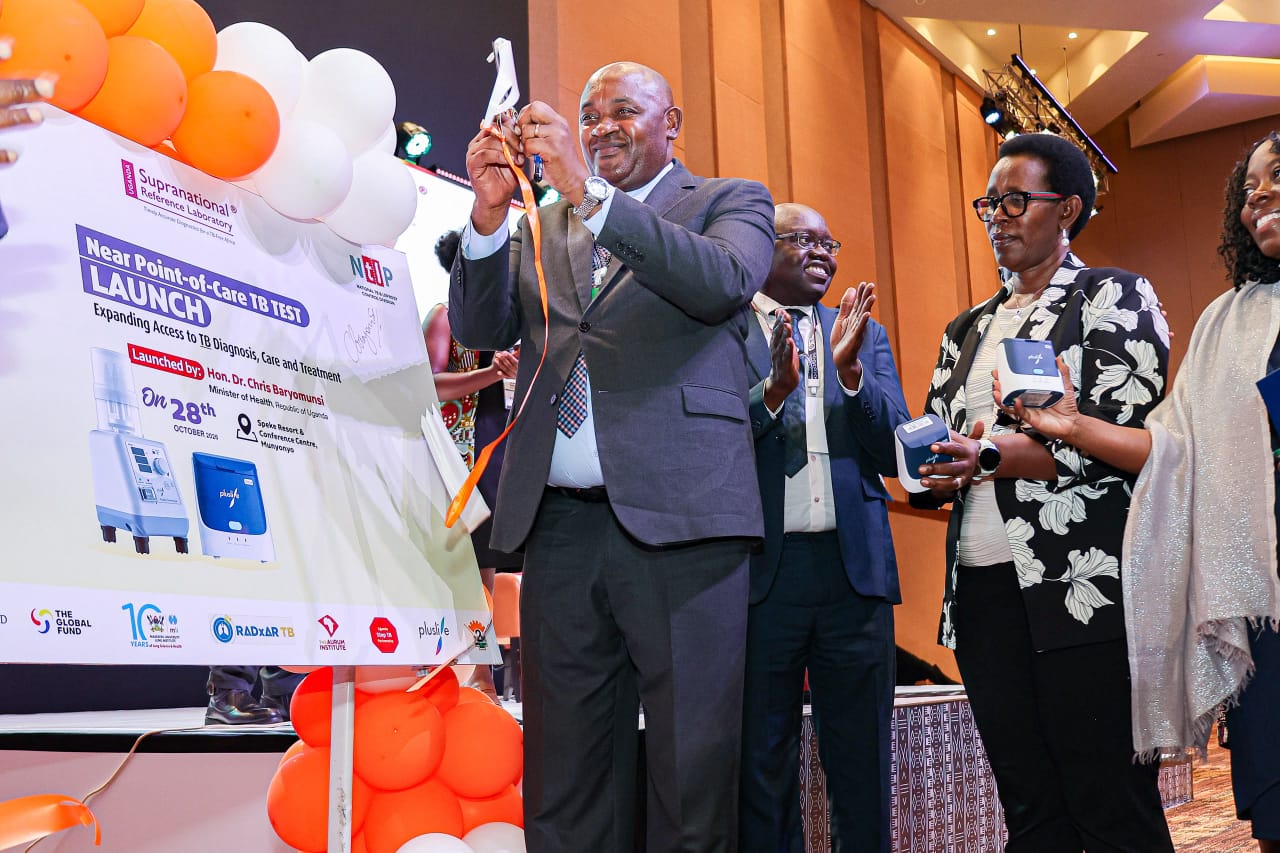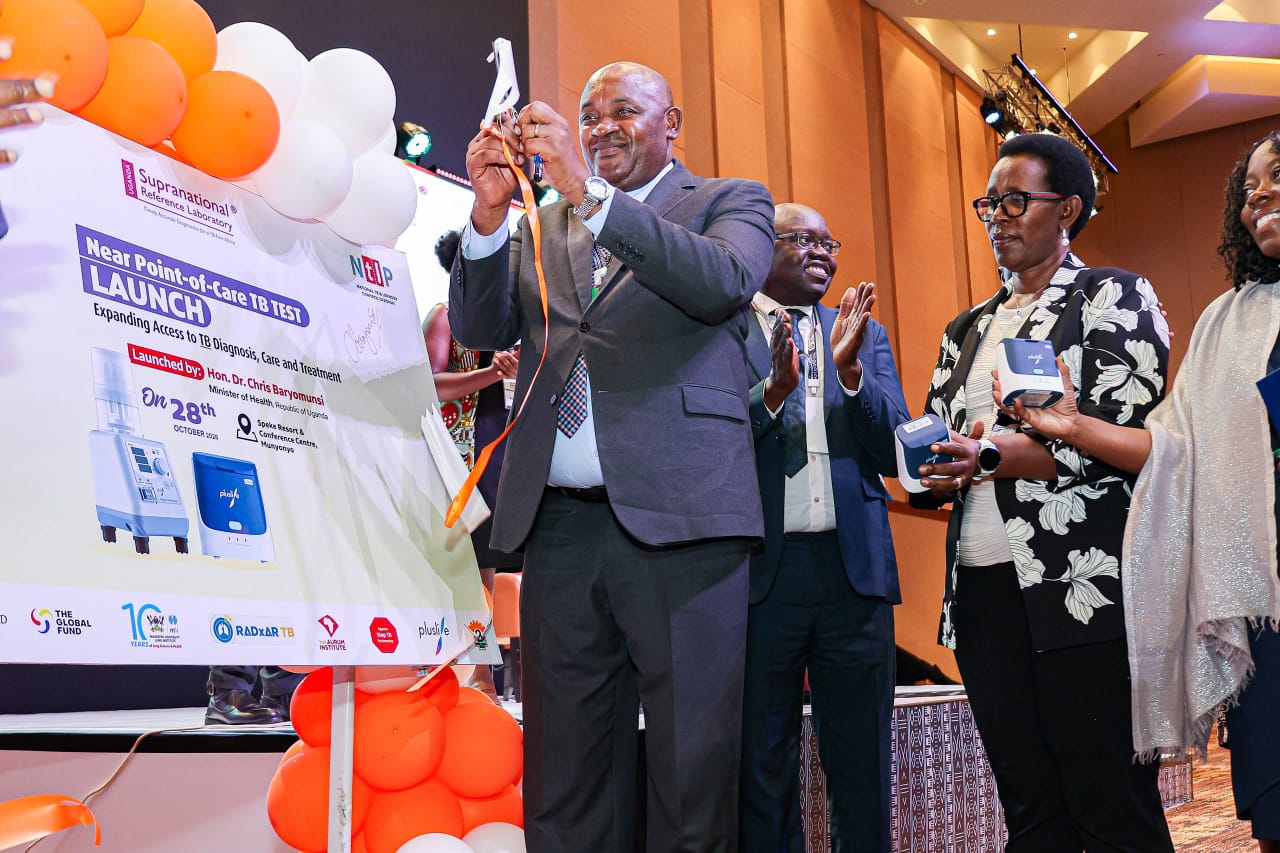
On 28th October 2026, the Minister of Health, Dr. Chris Baryomunsi, officially opened the 20th Joint Annual Scientific Health (JASH) Conference and the 2nd National Communicable and Non-Communicable Diseases Conference (NACNDC) at Speke Resort Munyonyo in Kampala, Uganda, calling for stronger collaboration between researchers, policymakers, healthcare professionals, civil society, partners and communities to address Uganda’s changing disease burden. The conference held alongside the 34th Annual Conference of the Uganda National Association of Community and Occupational Health (UNACOH), is convened under the theme “Unified Action Against Communicable and Non-Communicable Diseases in Uganda.” The gathering brings together government leaders, researchers, healthcare professionals, academics, development partners and private-sector representatives to share scientific evidence, strengthen partnerships and identify practical solutions to some of the country’s most pressing health challenges. The Conference organisation is a partnership of Makerere University College of Health Sciences (MakCHS), Ministry of Health (MoH), UNACOH and other partners.
Opening the conference, Dr. Baryomunsi noted that Uganda is facing a double burden of disease. While communicable diseases remain a major public health concern, the country is simultaneously experiencing a growing burden of non-communicable diseases (NCDs), including cancer, hypertension, diabetes and kidney disease. Emerging epidemics, he added, further underscore the need for stronger health systems, preparedness, research and regional collaboration. He outlined several areas requiring greater attention, including prevention and early detection of disease, integrated and people-centred healthcare, stronger community health systems, sustainable health financing and improved health information systems.
Dr. Baryomunsi particularly emphasised the need to strengthen routine immunisation and screening services so that diseases and other health conditions can be identified and managed before they progress to serious complications. “We must expand screening so no one discovers hypertension, diabetes, cancer, HIV, TB or malaria only when complications set in”, he said.
He also called for a shift away from fragmented, disease-specific approaches towards integrated healthcare services that respond to the multiple health needs of patients throughout their care journey. At community level, he underscored the important role of Community Health Extension Workers and Village Health Teams in health promotion, disease prevention and connecting households to health facilities.
| Get the detailed conference program here.
Research Must Translate into Policy and Practice
A major message from the opening session was the need to ensure that research contributes directly to improvements in healthcare and the well-being of communities. Dr. Baryomunsi challenged researchers and academic institutions to go beyond publishing scientific findings and ensure that evidence reaches policymakers and other decision-makers. He noted that research should inform legislation, national plans, government programmes, budget allocations and decisions about where limited health resources can achieve the greatest impact.
The Minister further stressed that improving health outcomes requires action beyond the health sector. Education, nutrition, housing, transport, workplace conditions and the physical environment all influence population health and therefore require coordinated action across government and the public. The conference, he said, provides an important opportunity to connect scientific evidence with policymaking and healthcare practice, ensuring that knowledge generated through research contributes to accessible, equitable and sustainable healthcare.
Call for Greater Focus on Prevention
The Permanent Secretary in the Ministry of Health, Dr. Diana Atwine, reinforced the call for preventive healthcare, healthier lifestyles and regular medical check-ups as critical measures in reducing Uganda’s growing burden of non-communicable diseases. She expressed concern about lifestyle-related risk factors, including unhealthy diets, excessive salt consumption, physical inactivity and obesity, which contribute to conditions such as hypertension, diabetes, kidney disease and heart failure.
Dr. Atwine encouraged Ugandans to embrace early screening and preventive health check-ups rather than waiting until symptoms develop. She also called upon workplaces and institutions to create environments that promote physical activity and healthier practices. Beyond individual responsibility, she stressed the importance of translating public health policies and recommendations into practical interventions at community, workplace and health-facility levels.
Dr. Atwine also highlighted research as an important component of Uganda’s development agenda, noting that evidence should guide decisions on which interventions should be prioritised, where resources should be invested and how health investments can achieve the greatest impact.
Sustainable Financing Critical to Uganda’s Health System
The opening session also placed considerable emphasis on sustainable financing for healthcare. Speaking on behalf of Mr. Ramadhan, Permanent Secretary and Secretary to the Treasury at the Ministry of Finance, Planning and Economic Development (MoFPED), Mr. Joseph Enyimu called for a transition from heavy dependence on external development assistance towards stronger and more predictable domestic financing for health. He observed that although development assistance has contributed significantly to progress in addressing HIV, malaria, tuberculosis and other health challenges, reductions and uncertainty in international health assistance expose health systems that depend heavily on external resources.
Enyimu identified domestic revenue mobilisation, expansion of health insurance, long-term domestic investment, strategic use of external financing, and greater efficiency and accountability in public expenditure as key priorities for sustainable health financing. He further emphasised the need to integrate financing for communicable and non-communicable diseases rather than treating them as separate programmes, noting that health services should respond comprehensively to the needs of patients.
Enyimu also highlighted health tourism as an emerging opportunity for Uganda. He noted that many Ugandans continue to travel abroad for specialised services such as cardiac surgery, cancer treatment, kidney transplants and orthopaedic care, resulting in significant expenditure outside the country. Investment in specialised healthcare, advanced diagnostics, pharmaceutical manufacturing, health education and research, rehabilitation services and digital health could, he said, enable Uganda to retain some of this expenditure while positioning the country to serve patients from the wider East African region.
He cautioned, however, that the development of health tourism should not create a two-tier health system in which specialised services are accessible only to international and wealthier patients. Investments in specialised healthcare should ultimately contribute to strengthening access and quality of care for Ugandans.
Over 450 Research Abstracts Accepted
Dr. Innocent Besigye, Senior Lecturer and Head - Department of Family Medicine at MakCHS who co-chaired the Organising Committee revealed that the scientific sub-committee received more than 500 research abstracts, which underwent a rigorous scientific review. More than 450 abstracts were accepted, resulting in a three-day scientific programme comprising over 150 oral presentations and more than 300 research posters.
“The scale of the scientific programme reflects the growing importance of JASH as a platform for sharing health research and strengthening the link between evidence, policy and practice”, Dr. Innocent Besigye noted.
Dr. Besigye encouraged participants to engage actively with the presentations and research posters, interact with researchers and use the conference to identify opportunities for further research and professional collaboration. He emphasised that scientific conferences should not be viewed merely as academic gatherings, but as important spaces where researchers, policymakers, and practitioners, can interact to ensure that evidence informs health priorities, interventions and service delivery.
Two Decades of Scientific Exchange
The 2026 conference marks an important milestone for JASH, which has now been held for 20 consecutive years, providing a platform for researchers, healthcare professionals, academia, civil society, policymakers and partners to share scientific findings and discuss solutions to Uganda’s health challenges.
Dr. Besigye commended the organisers and partners for sustaining the scientific gathering over the past two decades, noting that its value extends beyond presenting research findings. By bringing researchers into direct engagement with policymakers, healthcare practitioners, and other stakeholders JASH helps bridge the gap between research and implementation. He encouraged delegates to use the conference to establish new professional networks, strengthen existing partnerships and explore opportunities for collaborative research.
As delegates embark on the three-day programme, the focus remains on translating evidence into action, strengthening partnerships and ensuring that research contributes to policies and interventions that improve the health and well-being of Ugandans. The 20th JASH and 2nd NACNDC therefore provides an important platform for advancing a shared message: addressing Uganda’s health challenges requires unified action, sustained investment in prevention and research, stronger health systems, and closer collaboration between science, policy and practice.