Background
The Department of Internal Medicine is one of the academic departments within the School of Medicine, Makerere University College of Health Sciences (MakCHS). The Department has a long-standing history of contributing to medical education, clinical care, research, and community service in Uganda and beyond. It plays a central role in the training of medical students, postgraduate doctors, and other health professionals, while contributing to the advancement of knowledge and evidence-based practice in internal medicine.
The Department is closely linked to Mulago National Referral and Teaching Hospital, providing an important platform for clinical training, patient care, research, and mentorship. Through its academic and clinical programmes, the Department contributes to strengthening Uganda's health system and developing a highly skilled health workforce capable of responding to the country's evolving disease burden and public health priorities.
Over the years, the Department has developed expertise across a broad range of medical subspecialties, including cardiology, nephrology, endocrinology, gastroenterology, pulmonology, infectious diseases, rheumatology, haematology, oncology, and critical care, among others. Its academic staff are actively involved in teaching, clinical service, research, supervision, and professional development.
Core Functions
The Department's core functions include:
Teaching and training: Providing high-quality undergraduate and postgraduate education in internal medicine.
Clinical care: Providing specialist and subspecialist medical services through its clinical services at Mulago National Referral and Teaching Hospital.
Research: Conducting and supporting research addressing priority health conditions and emerging health challenges in Uganda and the region.
Research mentorship and supervision: Supporting postgraduate students and early-career researchers through mentorship, research supervision, and capacity strengthening.
Community engagement: Contributing expertise to community health initiatives, public health programmes, and knowledge translation.
Professional development: Supporting continuous professional development and strengthening the capacity of health professionals.
Research
- Prof. David Meya: https://orcid.org/0000-0002-8854-0321
- Prof. Moses Kamya: https://orcid.org/0000-0001-9106-4234
- Prof. Damalie Nakanjako: https://orcid.org/0000-0002-0935-2112
- Prof. Harriet Mayanja-Kizza: https://orcid.org/0000-0002-9297-6208
- Prof. Mark Kaddumukasa: https://orcid.org/0000-0001-7390-7330
- Prof. Bruce Kirenga: https://orcid.org/0000-0002-2023-2840
- Prof. William Worodria: https://orcid.org/0000-0002-8531-5567
- Prof. Irene Andia-Biraro: https://orcid.org/0000-0002-8303-6046
- Prof. Ponsiano Ocama: https://orcid.org/0000-0002-6120-1055
- Dr. Martin Kaddumukasa: https://orcid.org/0000-0001-6006-3546
- Dr. Christine Sekaggya-Wiltshire: https://orcid.org/0000-0001-9247-2950
- Dr. Lydia Nakiyingi: https://orcid.org/0000-0001-7263-3198
- Dr. Elizabeth Namukwaya: https://orcid.org/0000-0001-5241-2742
- Dr. Fred Semitala: https://orcid.org/0000-0002-0624-7640
- Dr. Achilles Katamba: https://orcid.org/0000-0002-2347-4183
- Dr. Joaniter Nankabirwa: https://orcid.org/0000-0001-7818-3845
Academic Programmes and Courses:
At undergraduate level, internal medicine forms an important component of the Bachelor of Medicine and Bachelor of Surgery (MBChB) programme.
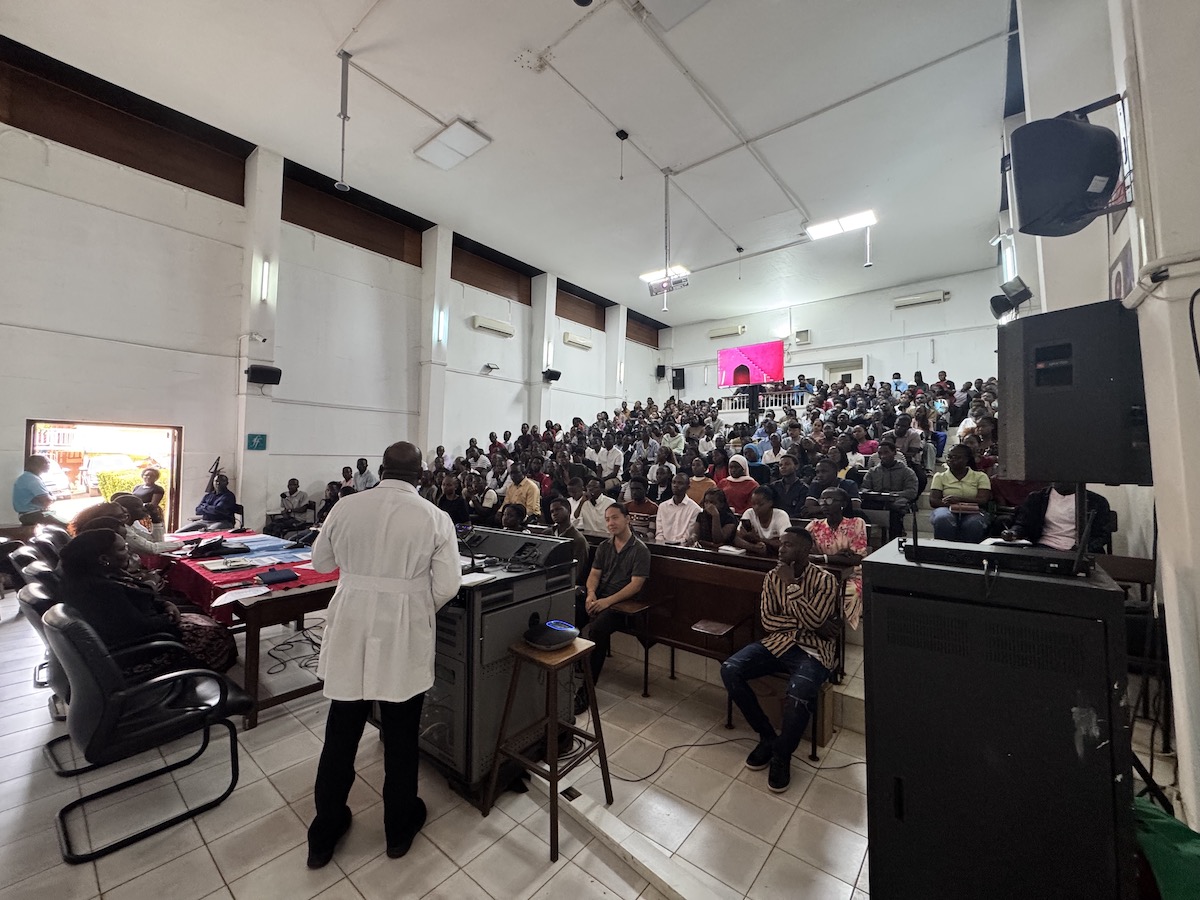
At postgraduate level, the Department contributes to the training of medical doctors pursuing Master of Medicine (MMed) in Internal Medicine. The postgraduate programme combines theoretical learning, clinical practice, research, and professional development. Postgraduate trainees participate in clinical rotations, seminars, case discussions, journal clubs, academic conferences, and research activities.

Head of Unit
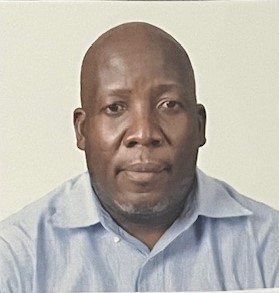
Assoc. Prof. David Bisagaya Meya
Level 4, Block D. Mulago Hospital