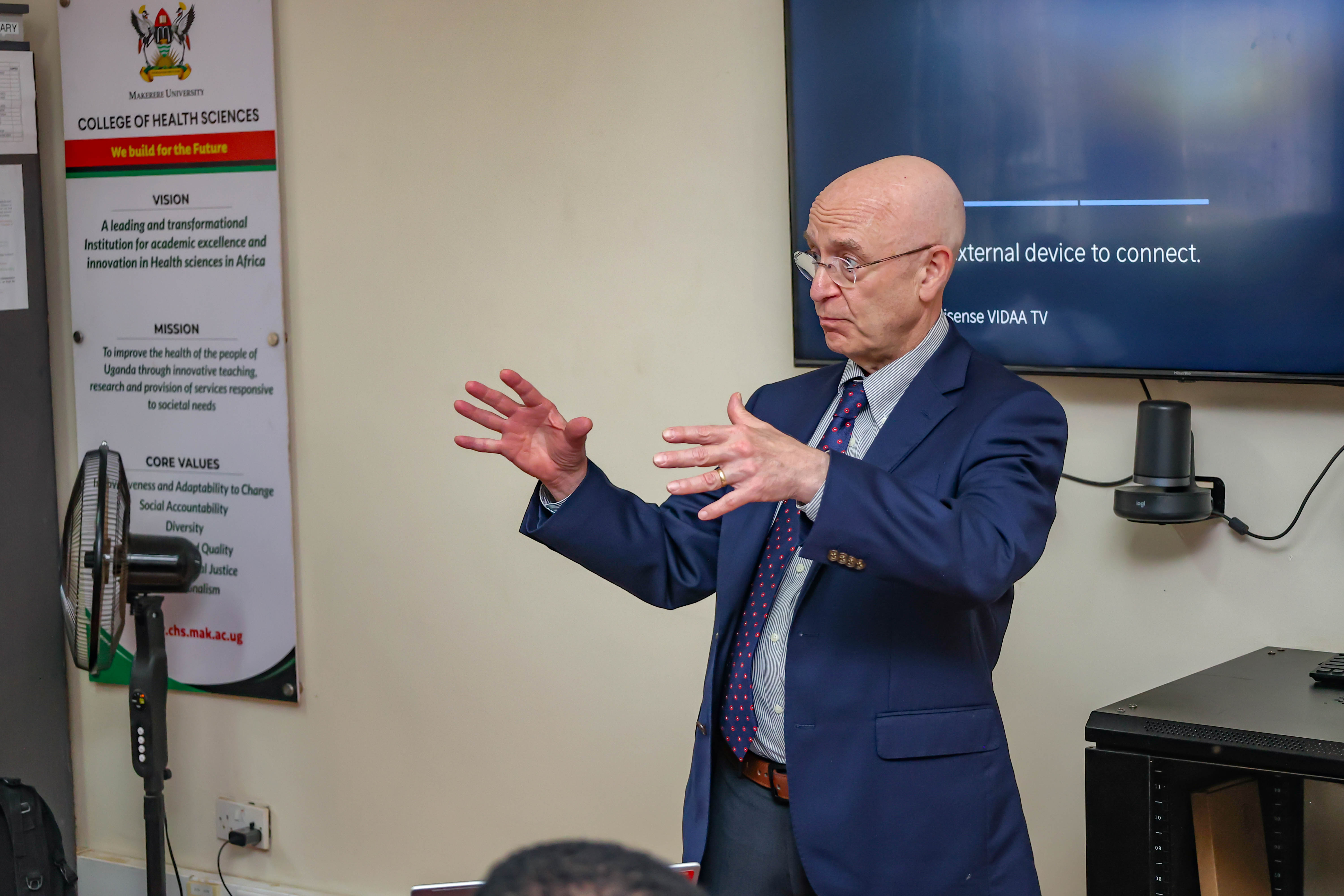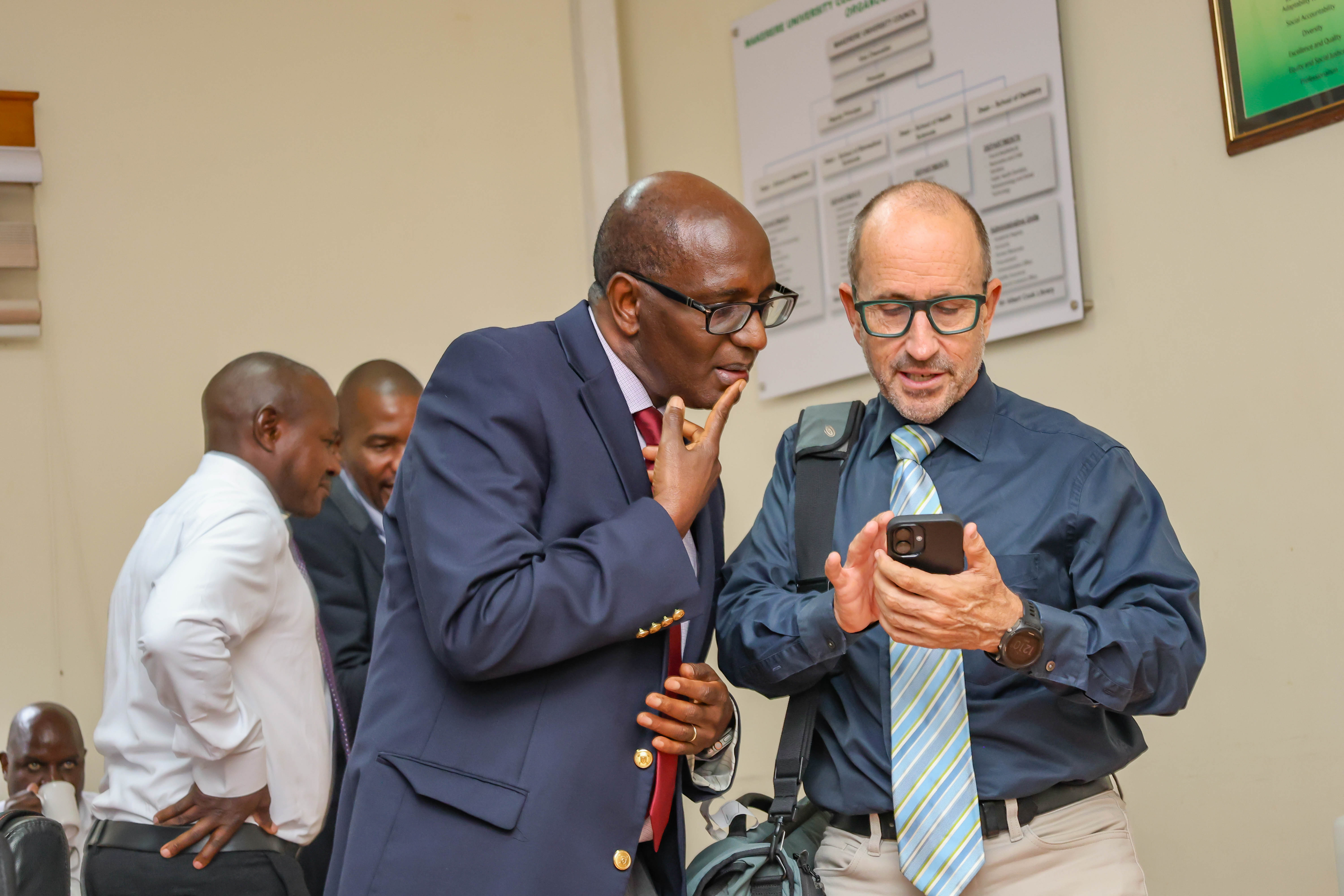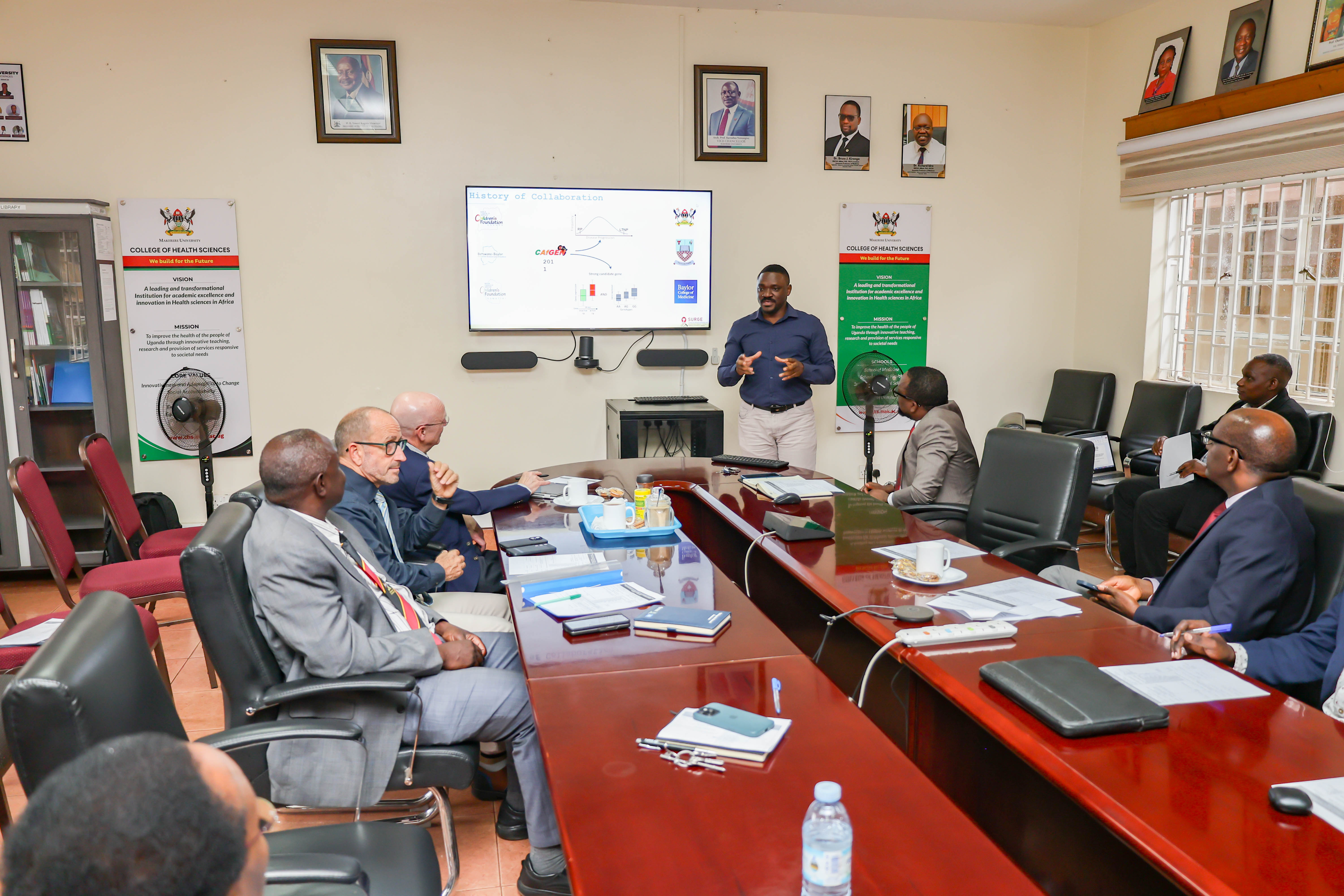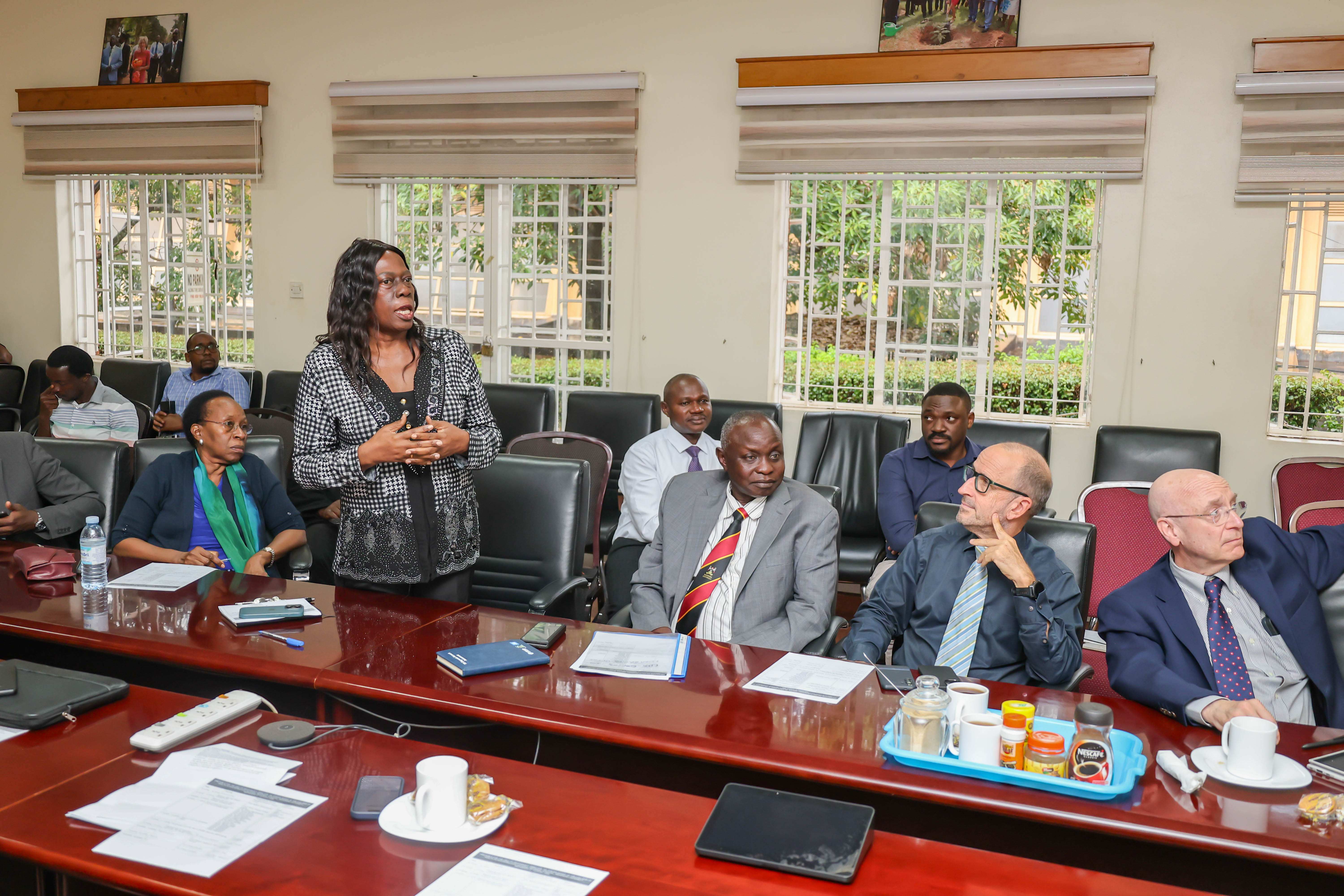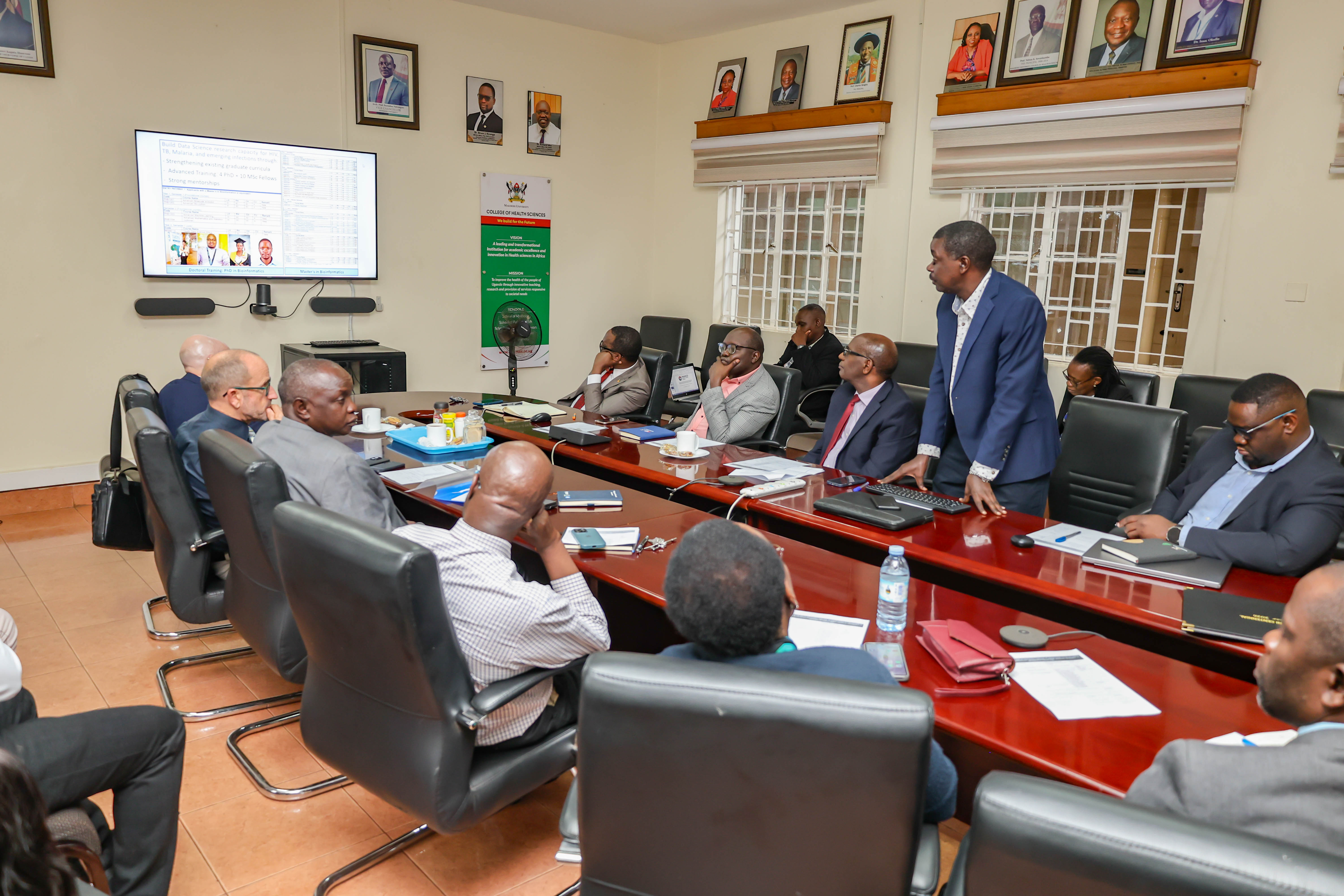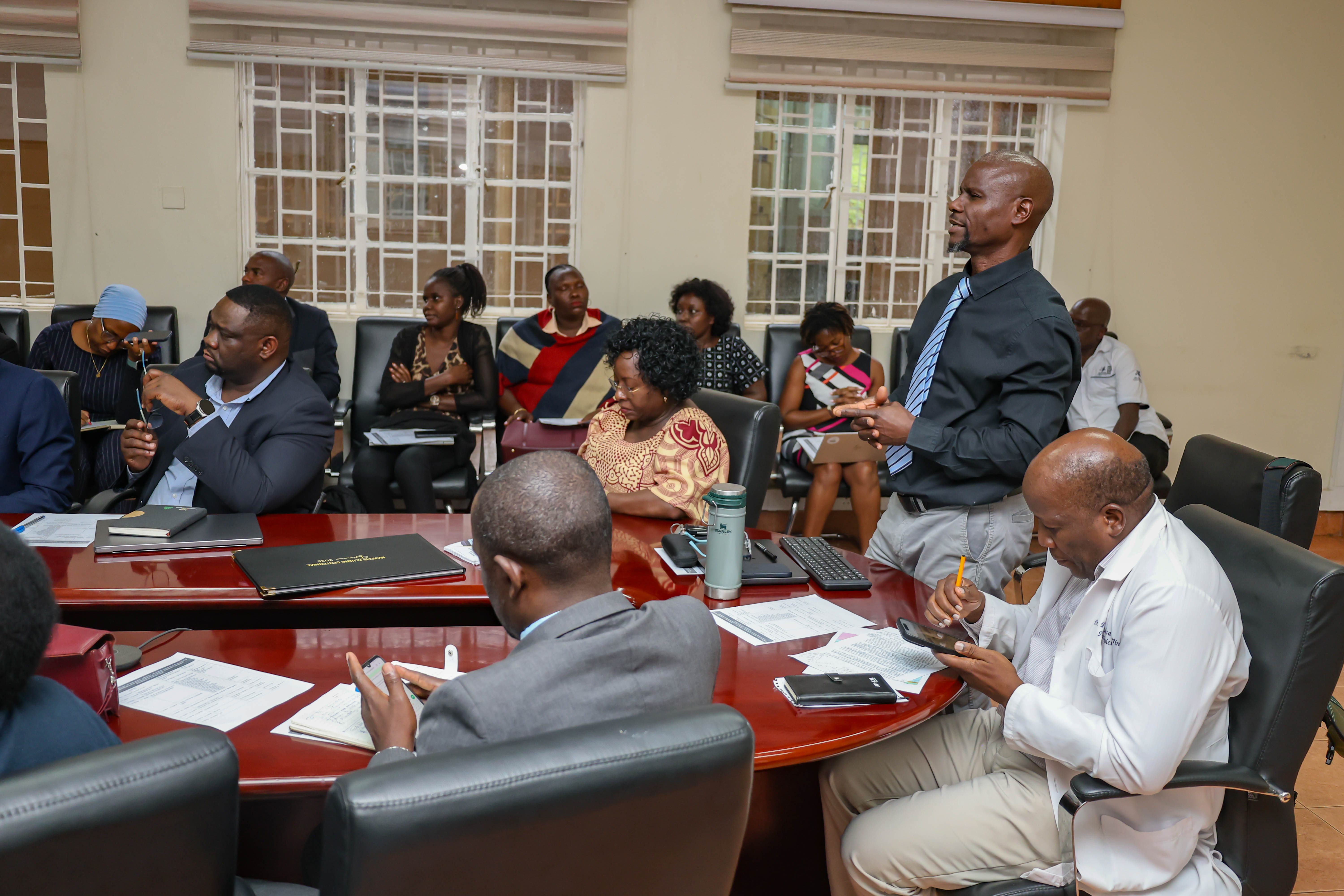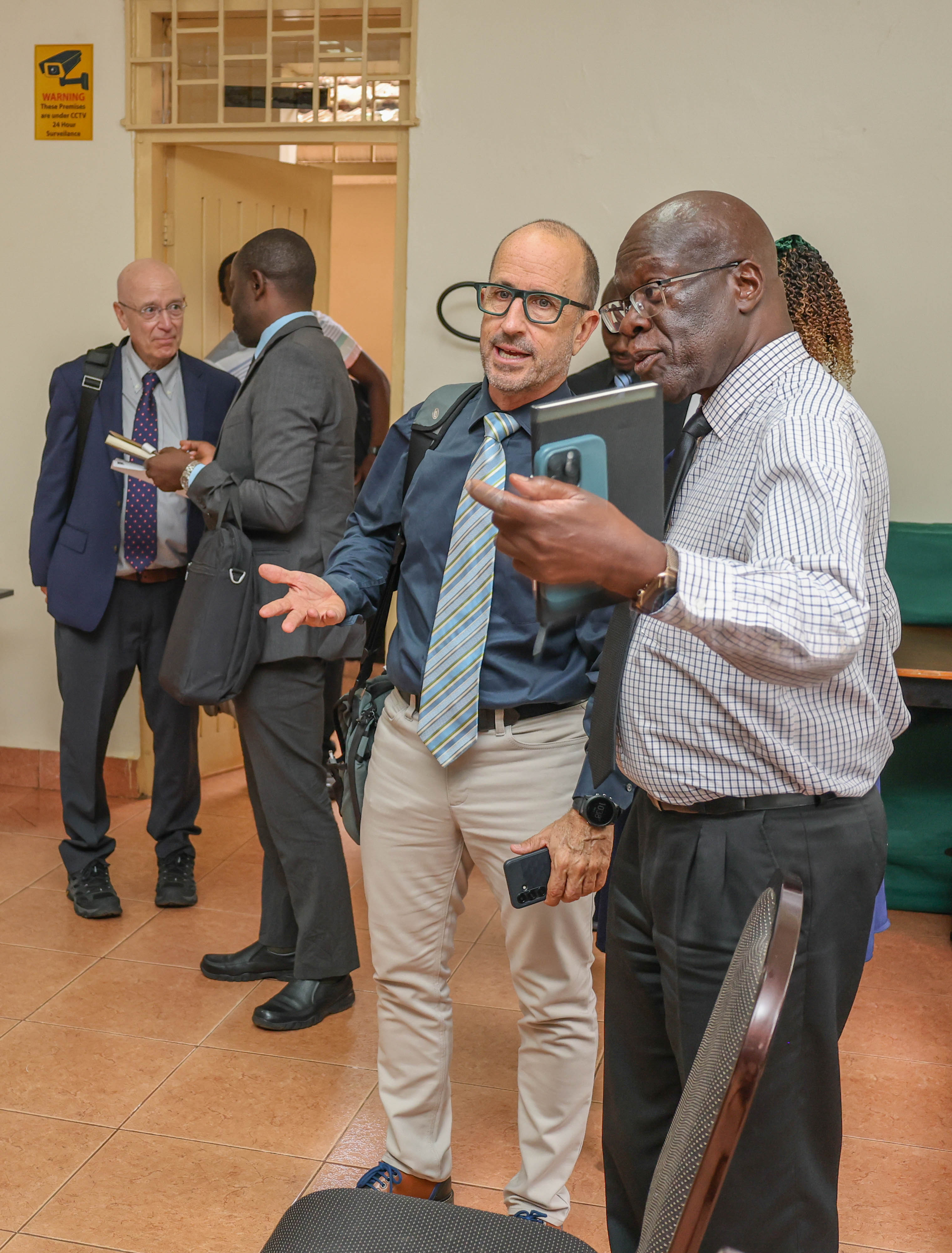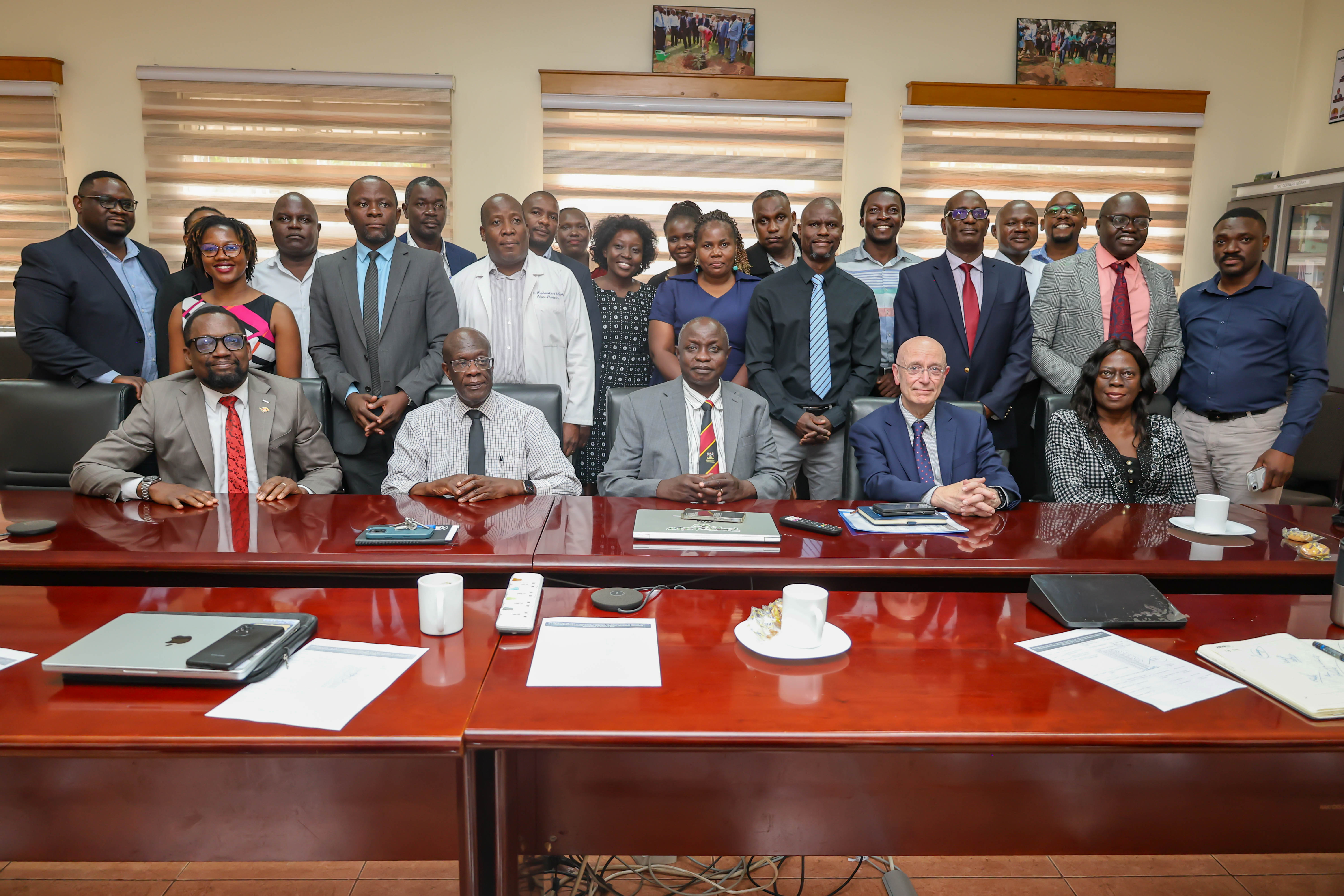
On 5th August 2026, Makerere University College of Health Sciences (MakCHS) hosted the Director of the NIH Fogarty International Center (FIC), Dr. Steven Schiff, for a visit highlighting the College’s research, training and institutional partnerships supported through the National Institutes of Health (NIH)/Fogarty International Center.
The visit included engagements at MakCHS and Mulago National Referral Hospital, bringing together College leadership, Directors of teaching hospitals affiliated with MakCHS, research investigators and trainees. In attendance were Dr. Joseph Kagaayi who represented the Dean of the Makerere University School of Public Health, Dr. Elias Kumbakumba, Dean of the School of Health Sciences at Mbarara University of Science and Technology (MUST) and Dr. Cissy Kityo Mutuluuza, Executive Director, Joint Clinical Research Centre (JCRC).
A key focus of the visit was the impact of D43 research training programmes supported by NIH/FIC. Principal Investigators presented examples of how the programmes have strengthened research capacity, developed new scientific expertise, supported postgraduate training and contributed to health research and policy in Uganda.
Welcoming Dr. Schiff, Professor Bruce Kirenga, Principal-MakCHS provided an overview of the College, its history, academic programmes, research priorities and extensive network of teaching and research sites. The College, Uganda’s premier centres for health professional education, currently brings together four schools: the School of Medicine, School of Biomedical Sciences, School of Health Sciences, School of Dentistry, alongside a range of research centres and specialised programmes.
Professor Kirenga highlighted the growing breadth of research at MakCHS, including infectious diseases, non-communicable diseases, translational medicine, population health, mental health, digital health, implementation science, biomedical sciences, genomics, bioinformatics and data science.
CURRENT D43 PROJECTS AT MAKCHS
- Reducing the Impact of Rheumatic Heart Disease across the Life Span: The Impact Program, Prof. Nelson Sewankambo
- Enhancing Research capacity for Sickle Cell Disease and related NCDs across the Lifespan in Uganda. "Enrich Project", Prof. Sarah Kiguli
- Scaling Up advanced genomics and bioinformatics Research training in paediatric HIV/AIDS in Uganda – SURGE, Dr. Kyobe, Samuel
- Training in Malaria Epidemiology, Translational Research, and Implementation Science to Strengthen Malaria Policy and Control in Uganda, Prof. Moses Robert Kamya
- Strengthening behavioral and social science research capacity to address overlapping stigma, social and psychological challenges among people with HIV in Uganda, Prof. Moses Robert Kamya
- Training in non-communicable diseases epidemiological, data science and Implementation Science research to strengthen evidence-based interventions, policy and control in Uganda, Assoc. Prof. Bruce James Kirenga
- Building Implementation Science Capacity at Makerere University to Strengthen the Response to the HIV/AIDS Epidemic in Uganda, Prof. Moses Robert Kamya
- Training in Malaria Epidemiology, Translational Research, and Implementation Science to Strengthen Malaria Policy and Control in Uganda, Prof. Moses Robert Kamya
- Harnessing Health Data Science capacity to strengthen evidence-based interventions, policy and response to the HIV/AIDS Epidemic in Uganda (H-DATA), Prof. David Patrick Kateete
From research training to real-world impact
Presentations from D43 Principal Investigators demonstrated how sustained NIH/FIC investment has supported researchers at different stages of their careers while contributing to evidence that can inform health programmes and policy.
In malaria research, trainees have been involved in studies examining the effectiveness of interventions such as insecticide-treated bed nets and the immunological consequences of reduced malaria transmission. Researchers are also investigating how malaria risk and immunity change when transmission is interrupted, generating evidence that can help inform strategies for sustaining the gains made through malaria control.
The implementation science portfolio provided another example of research translating into measurable health outcomes. One study examining enhanced counselling and peer support among young people living with HIV in south-western Uganda reported improvements in HIV-related outcomes, demonstrating the potential of locally-led research to strengthen service delivery.
Researchers in behavioural and social sciences have also been supported to investigate mental health and other health outcomes, illustrating the multidisciplinary nature of MakCHS research and the importance of combining biomedical, clinical and social science approaches.
Building capacity in specialised and emerging fields
The presentations also showcased the role of NIH/FIC-supported programmes in creating expertise in areas that were previously limited or unavailable within Uganda.
A programme focused on HIV research among pregnant women, children and adolescents has supported postgraduate and short-course training in areas including clinical trial design, pharmacokinetics, biostatistics, behavioural science, regulatory and ethical considerations, and implementation science.
Other programmes have contributed to the development of expertise in bioinformatics, genomics and data science, including the establishment and strengthening of postgraduate programmes. Researchers are increasingly applying artificial intelligence and machine learning to complex biomedical and HIV datasets, with the goal of generating evidence that can be translated into policy and practice.
Dr. Cissy Kityo Mutuluuza, Executive Director of the JCRC highlighted emerging work in gene and cell therapy under the NIH/FIC supported project Building Gene Therapy Capacity in Uganda implemented at JCRC. She explained that the programme includes efforts to establish sustainable research and training capacity for HIV cure research in Uganda. The programme brings together institutions in Uganda and international partners, with an emphasis on developing locally relevant expertise, infrastructure and research capability.
Strengthening institutions and developing future leaders
Beyond individual research projects, speakers emphasised the broader institutional impact of Fogarty-supported training.
Over the years, NIH/FIC-supported collaborations have contributed to the development of postgraduate programmes, research laboratories, specialised scientific disciplines and networks of researchers across Uganda. Trainees have progressed into academic and research leadership positions, with some becoming professors, programme leaders and advisors contributing to national health initiatives.
The programmes have also supported short courses, mentorship, international research placements and collaborations designed to enable Ugandan scientists to develop advanced skills and return to strengthen research and training at home.
Presenters stressed the importance of moving beyond individual training to building institutions capable of sustaining research programmes, mentoring future scientists, managing complex studies and translating findings into health interventions.
Research serving Uganda’s health system
The visit also underscored the close relationship between MakCHS research and Uganda’s health system. Researchers and faculty contribute to national programmes in areas including HIV, tuberculosis, malaria, vaccines, maternal and child health and other public health priorities.
Evidence generated through research has helped inform national guidelines, programmes and policy discussions, while College researchers and teaching hospitals continue to provide expertise during public health emergencies and disease outbreaks.
The speakers noted that partnerships such as those supported by NIH/FIC are most valuable when they create lasting local capacity — enabling Ugandan institutions and scientists to generate and use evidence to address the country’s health priorities.
A partnership built on shared learning
In his engagement with the College, Dr. Schiff reflected on the longstanding relationship between NIH/Fogarty-supported programmes and Ugandan researchers. He acknowledged the depth of expertise and experience that has developed through years of collaboration and emphasised the value of partnerships that support scientific exchange and capacity building in both directions.
Dr. Schiff noted that the presentations demonstrated impact of the partnerships which extends well beyond the number of people trained. Investments in researchers have helped establish new academic programmes, strengthen laboratories and research infrastructure, expand multidisciplinary collaborations and create a growing generation of scientists able to lead research in Uganda and internationally.
The visit therefore provided an opportunity not only to showcase ongoing work, but also to reflect on the evolution of research capacity at MakCHS and its contribution to Uganda’s health priorities.
As MakCHS continues to expand its research portfolio into emerging areas such as artificial intelligence, genomics, precision medicine, translational science and advanced therapeutics, the College reaffirmed the importance of strategic partnerships in developing the people, systems and infrastructure needed to turn scientific discoveries into improved health outcomes.