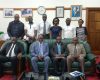
Rachel Wangi participates in the DESTINY Hackathon and Train-the-Trainer programme at the d-school Afrika, University of Cape Town
Home|News|Rachel Wangi participates in the DESTINY Hackathon and Train-the-Trainer programme at the d-school Afrika, University of Cape Town
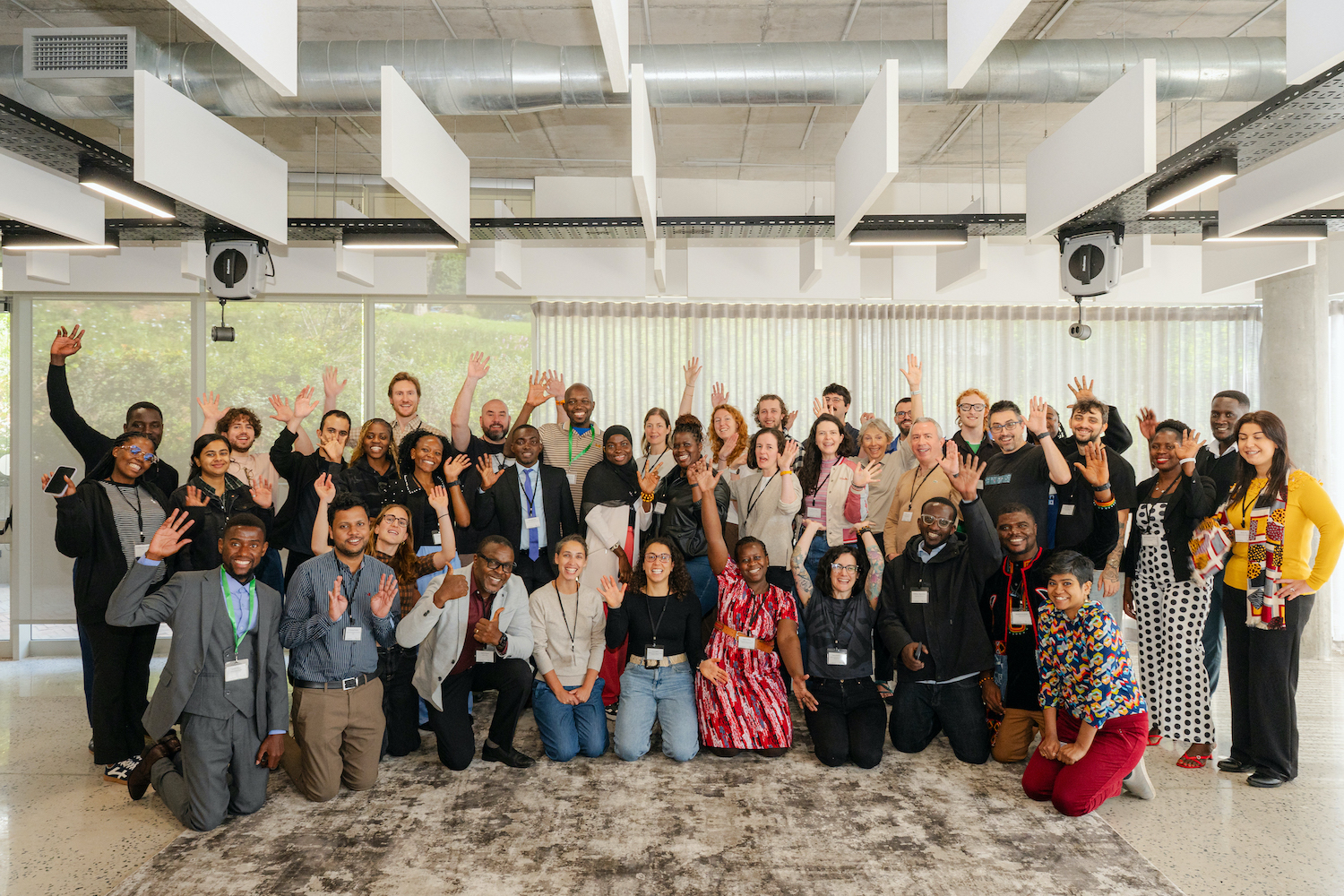
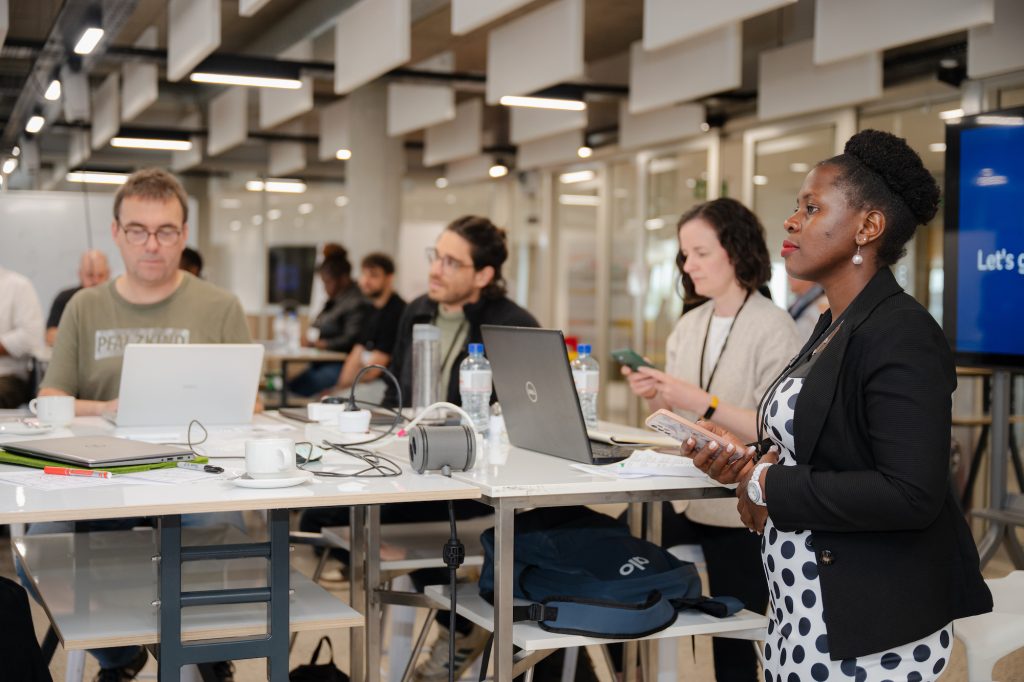
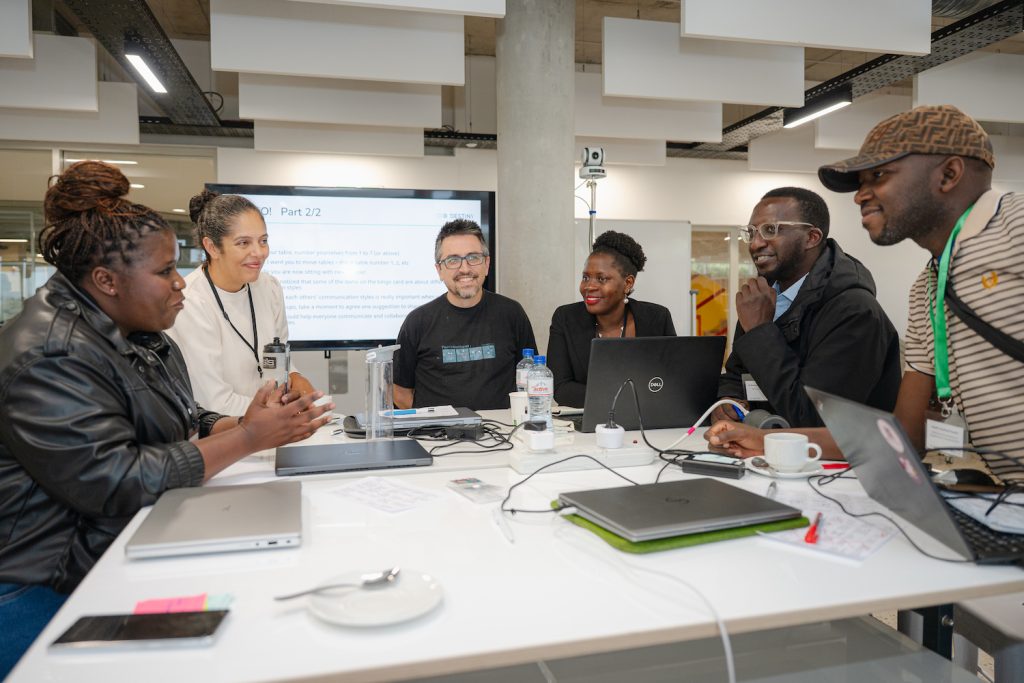
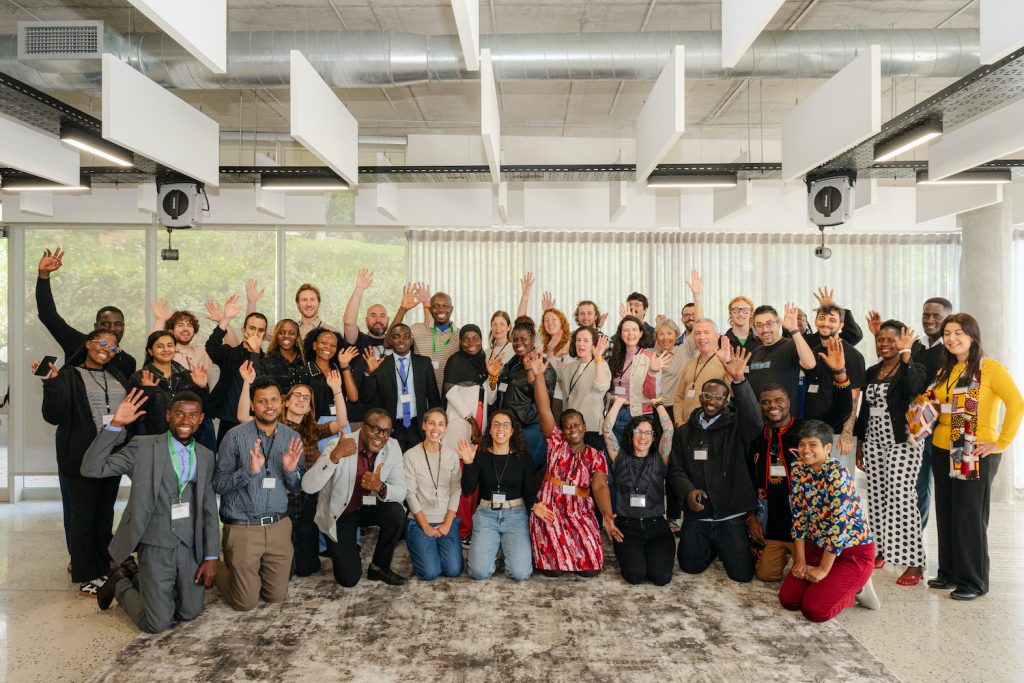
Ms Nante Rachel Wangi, a Research Fellow at the Africa Centre for Systematic Reviews and Knowledge Translation, Makerere University College of Health Sciences, participated in the DESTINY Hackathon and Train-the-Trainer programme held at the d-school Afrika, University of Cape Town, South Africa, between 17 and 21 September 2026.
The event was hosted by the African Synthesis Centre for Climate Change, Environment and Development (ASCEND) at the University of Cape Town. It formed part of DESTINY—Digital Evidence Synthesis Tool Innovation for Yielding Improvements in Climate & Health, an international research project funded by the Wellcome Trust and led by the Potsdam Institute for Climate Impact Research (PIK), Germany. The project aims to improve how climate and health evidence is produced and used through responsible artificial intelligence (AI), collaboration and open science.
The programme combined a hackathon focused on digital evidence synthesis tools with training designed to support participants who teach evidence synthesis methods. It provided an opportunity to explore how AI can support research while maintaining scientific rigour and responsible practice.
Preparatory learning included the Responsible AI use in Evidence Synthesis (RAISE) guidance, covering the development and evaluation of AI tools, as well as their selection and use in reviews. These themes highlight the importance of assessing whether tools are suitable for a particular task, validating their performance and reporting their use transparently.
For the Africa Centre, Ms Wangi’s participation creates an opportunity to share this learning with colleagues and inform the use of digital tools in systematic reviews and research training. Applying these approaches could support more efficient review processes while preserving the quality and trustworthiness of evidence used to inform policy and practice in Uganda and across Africa.
Admin
Social Share
Africa Centre for Systematic Reviews and Knowledge Translation. College of Health Sciences | Makerere University. P.O Box 7072 | Kampala | UGANDA. Cell: +256702798123 | Tel: +256414 698 286 (Office of the Principal) Skype: afcen.makchs